

Open water swims let you enjoy quiet coastlines and build fitness beyond the pool. Without lane markers or a pace clock, though, it can be hard to judge distance, pace, and progress; a phone or basic watch may not track GPS reliably in water.
For clearer feedback, an open water GPS watch records your route and swim data from your wrist. It uses satellite positioning to map your swim, helping you check how far you went and how your pace changed without carrying a phone.
Many models also track heart rate, count strokes, and show elapsed time, so you can understand each session at a glance. Long battery life helps on extended outings, while durable, water-resistant designs suit regular swims.
Models vary in comfort, battery life, GPS accuracy, and training features, so consider your swim habits and priorities. Compare the best open water GPS watches below to find one that fits your routine.
4 Best Open Water GPS Watches Reviews
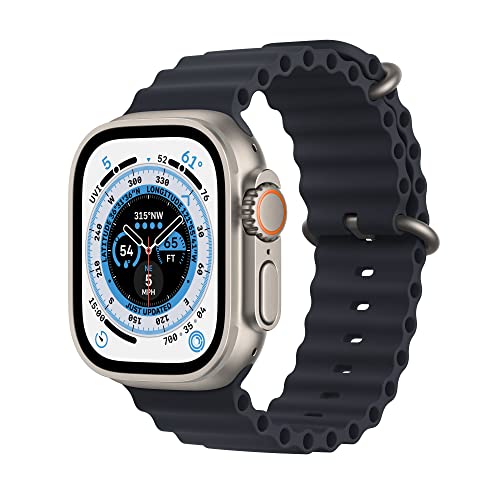
1.Apple Watch Ultra 49mm GPS + Cellular
Dual-frequency GPS measures distance, route and pace with precision

2.Apple Watch Ultra 49mm GPS + Cellular
100m water resistance helps the titanium watch handle water sports

3.Garmin Instinct Solar GPS Smartwatch
Solar charging helps extend battery life beyond traditional charging

4.Apple Watch Ultra 2 49mm GPS + Cellular
100m water resistance helps the titanium watch handle water sports
1. Apple Watch Ultra 49mm GPS + Cellular
Apple Watch Ultra is a GPS watch for open-water athletes who need navigation, workout data and cellular connectivity. Its dual-frequency GPS tracks distance, route and pace, while the Workout app records Heart Rate Zones and Running Form for training reviews.
The 49mm corrosion-resistant titanium case has 100-meter water resistance, making the watch suited to water sports as well as outdoor routes. A customizable Action button gives quick physical access to a chosen function, and the larger Digital Crown and accessible buttons help with control.
Its Always-On Retina display stays visible in direct sunlight and leaves room for extra complications on the watch face. Battery life reaches up to 36 hours, giving you more time for workouts and outdoor use between charges.
The Compass app includes Waypoints for marking locations, while Backtrack uses GPS to map your route so you can retrace it. These tools can help you keep track of your position during hikes and other excursions.
This GPS + Cellular model also includes Apple Watch health, safety and communication features. The Midnight Ocean Band comes with the watch, which suits open-water swimmers and endurance athletes who also want GPS navigation and everyday smartwatch functions.
- Dual-frequency GPS tracks routes and pace
- 100-meter water resistance suits water sports
- Up to 36 hours of battery life
- Bright display stays visible in sunlight
- No major cons
2. Apple Watch Ultra 49mm GPS + Cellular
For open-water swimming and other water sports, the Apple Watch Ultra combines GPS tracking with cellular connectivity and a 100-meter water-resistance rating. Its 49mm corrosion-resistant titanium case and customizable Action button are designed for active use.
The Always-On Retina display stays visible in direct sunlight, while its larger face gives you more room for watch-face complications. Precision dual-frequency GPS records distance, route and pace, and the Workout app includes heart-rate zones and running-form metrics.
For exploring outdoors, the Compass app offers waypoints to mark locations, while Backtrack uses GPS to map where you have been. The Oceanic+ app adds dive-computer functions, and the watch supports high-impact water sports and diving.
Cellular lets you call, text, stream music and get directions without your iPhone nearby. Battery life reaches up to 36 hours, and the watch includes fall and crash detection, plus a siren audible up to 600 feet.
This renewed version comes with a Black/Gray Trail Loop in M/L, sized for wrists from about 5.7 to 8.7 inches. The thin, flexible band suits running, while the watch’s health, safety and connectivity tools make it a fit for swimmers and outdoor athletes who want GPS features on their wrist.
- 100m water resistance suits water sports
- Dual-frequency GPS tracks routes and pace
- Up to 36 hours of battery life
- Cellular supports calls without an iPhone
- No major cons
3. Garmin Instinct Solar GPS Smartwatch
100 meters of water resistance makes the Garmin Instinct Solar a practical option for open-water swimmers. Its rugged construction meets U.S. military standard 810 for thermal, shock and water resistance, so it can also support outdoor activities beyond swimming.
For navigation, the watch combines GPS with GLONASS and Galileo satellite systems. A built-in three-axis compass and barometric altimeter add direction and elevation information, giving you more tools to check your position in challenging environments.
Solar charging can extend battery life beyond traditional charging, which may help on long days outdoors. The watch also tracks running, biking, swimming, strength training and other activities, so one device can record workouts across different sports.
All-day health monitoring includes Pulse Ox, along with heart rate, stress and sleep estimates. Body Battery energy monitoring uses those measures to help you understand how your energy changes through the day; the watch is not intended to diagnose or monitor medical conditions.
Bluetooth supports wireless connectivity, while GPS handles location tracking. The Graphite watch weighs about 0.3 pounds, and its rugged build and broad activity tracking suit people who want a GPS watch for open-water swimming as well as other outdoor workouts.
- Water-rated to 100 meters for open-water swims
- GPS, GLONASS and Galileo support navigation
- Solar charging can extend battery life
- Tracks swimming and several other activities
- No major cons
4. Apple Watch Ultra 2 49mm GPS + Cellular
Endurance athletes, open-water swimmers and outdoor explorers get GPS and cellular features in the Apple Watch Ultra 2, with a 49mm titanium case and white Ocean Band. Its 100-meter water resistance suits water sports, while the built-in GPS supports outdoor routes.
The S9 SiP powers an Always-On Retina display that Apple describes as its brightest yet. The screen stays visible in direct sunlight and can show six metrics at once, giving swimmers and other athletes room to check several readings.
Cellular lets you call and text without carrying your iPhone, including overseas with international roaming. You can also stream music and podcasts or use Maps for directions, useful on outings where a phone may not be close at hand.
The watch offers up to 36 hours of battery life, or up to 72 hours in Low Power Mode. A large Digital Crown and customizable Action button give you physical controls for functions you choose.
Its corrosion-resistant titanium case comes with a white Ocean Band sized for wrists from about 130 to 200 millimeters. Apple says the watch paired with the latest Alpine Loop or Trail Loop is carbon neutral; that statement does not apply specifically to the included Ocean Band. As our final pick, it suits swimmers and adventurers who want cellular access and long battery life on the water.
- 100-meter water resistance for water sports
- Cellular calls and texts without an iPhone
- Up to 72 hours in Low Power Mode
- Bright display shows six metrics at once
- No major cons
How to Choose the Best Open Water GPS Watches
Choosing an open-water GPS watch means balancing reliable route tracking, swim-safe construction, battery life, and comfort against price. Your usual distance, phone access, safety needs, and preferred training data all shape which features deserve priority.
| If You Need | Look For | Expect |
|---|---|---|
| Reliable route recording | Multi-band GPS and satellite support | Higher cost, more battery use |
| Long swims or outings | Extended GPS battery estimates | Larger case, longer charging |
| Ocean swimming | 100-meter water resistance | Fewer slim, lightweight options |
| Off-grid navigation | Compass, waypoint, backtrack tools | More setup and screen checks |
| Phone-free contact | Cellular calls and messages | Extra fees, faster battery drain |
| Simple training feedback | Swim metrics and heart-rate data | Optical readings vary in water |
GPS Accuracy
GPS quality shapes the route map and distance estimate after an open-water swim, where buildings and pool walls offer no reference points. Look for multi-band or dual-frequency GPS and support for several satellite systems when route detail matters.
Satellite signals travel poorly through water, so a watch usually records your position during brief moments when your wrist breaks the surface. Choppy water, frequent strokes, trees near shore, and cloudy conditions can still create gaps.
For regular outdoor navigation, compare how the watch records tracks and whether it offers a route-back feature. A swimmer who follows familiar shoreline routes may need less advanced positioning than someone exploring unfamiliar bays.
Water Resistance
Water-resistance ratings describe tested pressure limits, not a promise that every watch suits every water activity. A 100-meter rating offers a substantial margin for surface swimming, but confirm the maker’s guidance for salt water, buttons, and touchscreen use.
Salt, sand, and sunscreen can affect seals and controls over time, so rinse the watch with fresh water after ocean swims. Avoid pressing buttons underwater unless the instructions specifically allow it.
Open-water swimmers should favor a secure strap and a case built for regular immersion, rather than relying on a splash-resistant rating. Frequent diving or high-speed water sports call for separate guidance on depth and impact limits.
Battery Life
Battery estimates often describe smartwatch use rather than continuous GPS recording, so compare the specific GPS-mode figure before buying. For a long swim, choose a watch with enough reserve for navigation, recording, and unexpected delays.
Frequent GPS updates improve route detail but use more power, while power-saving modes usually record less often. Solar charging can extend time between charges in suitable light, but it should not replace a realistic estimate for your normal use.
A watch used for daily health tracking and weekend swims needs more capacity than one charged before each workout. Look for charging time and a clear low-battery warning, especially if you travel to remote water.
Navigation and Safety
A compass, saved waypoints, and a route-back function help when visibility changes or landmarks become hard to identify. These tools suit swimmers exploring unfamiliar shorelines, although a small wrist display is not a substitute for planning.
Consider whether you can see navigation information while swimming, and whether buttons remain usable with wet hands. Simple controls are helpful when you need to check direction without stopping for long.
Cellular calls and messages offer a way to contact others without carrying a phone, but service depends on network coverage and an active plan. Fall or crash alerts target broader outdoor safety, not rescue guarantees for swimmers.
Swim Tracking and Sensors
Look for open-water swim tracking, distance, pace, and lap or stroke information that matches your training goals. Pool features do not automatically mean the watch records outdoor routes accurately, so confirm that open-water mode is included.
Optical heart-rate sensors read through the wrist, but movement and water can disrupt readings. If heart-rate zones guide your training, consider whether the watch supports a compatible chest strap or another sensor you already use.
Health measures such as sleep, stress, and blood oxygen add context between workouts, but they are estimates rather than medical readings. Focus on metrics you will use; extra data is less useful if it complicates a quick swim summary.
Fit and Screen
A large, bright display makes maps and numbers easier to read outdoors, but a bulky case can catch on gear or feel awkward during repetitive strokes. Try to balance visibility with a fit that stays secure on your wrist.
Band material and fastening affect comfort in salt water, heat, and long sessions. Choose a strap that holds firmly without pinching, dries reasonably quickly, and suits your wrist size; included sizes do not fit everyone.
Touchscreens can be awkward with wet fingers, so physical buttons or a dedicated control may help during workouts. If you plan to use the screen while swimming, verify which controls work in water and how easily they lock.
Phone and App Support
A watch’s companion app determines how easily you can review routes, share workouts, and export data. Check that it works with your phone and preferred training services before buying, especially if you already keep years of activity records elsewhere.
Bluetooth syncing is usually enough for uploading workouts after a swim, while cellular features support calls or messages away from a phone. Cellular service requires compatible coverage and often a separate monthly plan.
Some watches provide more detailed training or health summaries than others, but an attractive feature list does not ensure a useful workflow. Look at the data formats and sharing options you need, then favor a system you will keep using.
Price and Ownership Cost
Lower-cost watches often cover basic GPS tracking, water resistance, and activity records, while higher prices may add stronger navigation, cellular service, brighter screens, or broader health tools. Pay more only for features tied to your routine.
Include service fees, replacement bands, and any compatible sensors in the total cost. A cellular model has ongoing charges, while a solar-capable design may reduce charging frequency without eliminating the need to recharge.
Renewed or refurbished options can lower the purchase price, but condition and remaining support vary by seller. Read the return terms, battery-health details, and included accessories carefully before choosing a discounted unit.
Warranty and Support
Warranty length and coverage affect the cost of owning a watch that spends time in salt water. Read exclusions for water damage, battery wear, and accidental impacts, since coverage terms differ between sellers and manufacturers.
For renewed watches, confirm who handles repairs and how long returns remain available. A lower price is less appealing if replacement parts, software support, or service access are uncertain.
Finally, check compatibility with your phone’s operating system and the apps you rely on. Software support determines whether syncing and safety features remain useful, so confirm current requirements rather than assuming every phone works.
Frequently Asked Questions
How do these open water GPS watches get their power?
The Apple Watch Ultra and Ultra 2 use rechargeable batteries, while the Garmin Instinct Solar can use solar charging to help extend battery life.
What are the Apple Watch Ultra and Ultra 2 made of, and can they handle water sports?
Both are titanium watches with 100m water resistance, according to the listed features.
What comes in the box with these watches?
The product details provided do not specify box contents, so check the listing or seller for the included accessories.
Should I choose the Apple Watch Ultra or Apple Watch Ultra 2?
Both are listed as 49mm GPS + Cellular watches with 100m water resistance. The original Ultra’s listed highlight is dual-frequency GPS for distance, route and pace, so compare the full specifications and price to decide.
Is the Garmin Instinct Solar a good choice if I want to reduce charging?
Its solar charging can help extend battery life beyond traditional charging, making it worth considering if longer intervals between charges matter to you.
How can I track distance, route and pace in open water?
The Apple Watch Ultra’s dual-frequency GPS is designed to measure distance, route and pace with precision. Check each watch’s full specifications for the tracking details you need.
So, What Should You Buy?
For most people, the Apple Watch Ultra 49mm GPS + Cellular is the best pick, pairing precise dual-frequency GPS for distance, route and pace with 100m water resistance. If longer stretches between charges matter most, choose the Garmin Instinct Solar GPS Smartwatch, whose solar charging helps extend battery life.
The Apple Watch Ultra 2 suits buyers who want a water-ready titanium watch with 100m resistance. Choose the model that best matches your priorities, and you’ll be ready to make every open-water outing count.