

A smartwatch can make health tracking part of your daily routine, giving you a convenient way to check blood pressure alongside activity and other wellness data. A regular blood pressure cuff offers readings too, but it lacks wrist-based tracking and the everyday tools of a smartwatch.
For convenient check-ins, a Samsung watch can estimate blood pressure after calibration with a traditional cuff and the Samsung Health Monitor app. You can review readings on your wrist or phone, though the feature requires a compatible Samsung phone and does not replace a medical device or professional advice.
Many models also track heart rate, sleep, workouts, and daily steps, helping you spot patterns and keep wellness information together. Notifications and customizable watch faces add useful everyday features beyond health tracking.
Samsung watches vary in size, battery life, and compatibility, so consider your phone and routine before deciding. Explore the best samsung watches for blood pressure below to find one that suits your needs.
7 Best Samsung Watches for Blood Pressure Reviews

1.Samsung Galaxy Watch 7 40mm Bluetooth
Improved heart rate tracking filters body movement for accuracy

2.Samsung Galaxy Watch5 Pro Titanium Smartwatch
Rugged titanium case is built for outdoor activities and demanding use

3.Samsung Galaxy Watch 4 Classic ECG Monitor
Red LEDs and infrared rays calculate blood oxygen levels on your wrist

4.Samsung Galaxy Watch5 44mm Health Tracker
Improved BioActive Sensor sits closer to skin for accurate heart rate
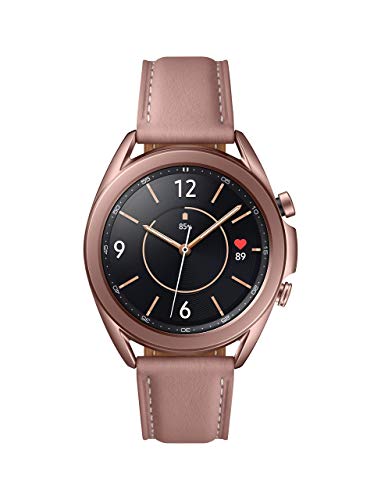
5.Samsung Galaxy Watch3 41mm GPS Smart Watch
Monitor SpO2, VO2 max and heart rate to keep an eye on your health

6.Samsung Galaxy Watch 4 40mm ECG Smartwatch
Red LEDs and infrared rays calculate blood oxygen levels on your wrist

7.Samsung Galaxy Watch 4 44mm LTE Smartwatch
Red LEDs and infrared rays calculate blood oxygen levels on your wrist
1. Samsung Galaxy Watch 7 40mm Bluetooth
The Samsung Galaxy Watch 7 helps track workouts, heart health, sleep and daily readiness. For shoppers comparing Samsung watches for blood pressure, note that the provided details describe heart-rate tracking but do not list blood-pressure monitoring.
Its 40mm case tracks runs and bike rides, and Galaxy AI lets you compare a session with your previous performance. That can help you follow changes across workouts, while keeping your activity records on your wrist.
Heart Rate Tracking uses Galaxy AI to filter out body movement for readings the watch describes as more accurate. The Energy Score combines information about what you did the day before to estimate your physical readiness for today.
Wellness Tips offer personalized suggestions based on insights the watch collects and your phone analyzes. Sleep tracking also provides insights to help you understand your rest, and the watch can detect moderate to severe sleep apnea.
This Cream Bluetooth smartwatch weighs about 0.37 pounds. Its listed health and fitness tools suit Samsung users who want activity, heart-rate and sleep information, but buyers seeking blood-pressure readings should look for a model whose details explicitly include that feature.
- Improved heart tracking filters movement for more accurate readings
- Sleep tracking can detect moderate to severe sleep apnea
- Energy Score uses yesterday’s activity to gauge daily readiness
- Compares run and bike performance to help track progress
- No major cons
2. Samsung Galaxy Watch5 Pro Titanium Smartwatch
For blood pressure tracking and everyday health features, the Samsung Galaxy Watch 5 Pro offers a rugged titanium case in a 45mm size. The listing identifies it as a Bluetooth smartwatch with body, health, fitness and sleep tracking.
Its titanium construction is described as suited to outdoor activities and demanding environments. That case gives buyers a durable-material option for a watch they may wear during exercise or outside.
The 45mm size is the main fit detail provided, while the black finish keeps the look understated. The listing does not provide screen, battery or sensor specifications, so buyers should check those details before choosing it for particular tracking needs.
This is a renewed watch, which may appeal to shoppers considering a pre-owned device. Its listed weight is about 0.1 pounds, making it a light option to wear through daily routines.
The product title names blood pressure-related health tracking only indirectly through its health-tracker description; it does not specify blood pressure measurement features or capabilities. Buyers focused on that function should confirm support and compatibility before purchasing.
With its titanium case and stated health, fitness and sleep tracking, it suits Samsung-watch shoppers who want an outdoor-oriented design and general wellness tracking in a renewed model.
- Titanium case offers durable outdoor-ready protection
- Tracks body health, fitness, and sleep in one watch
- Large 45mm case gives a roomy watch face
- No major cons
3. Samsung Galaxy Watch 4 Classic ECG Monitor
50 meters of water resistance gives the Samsung Galaxy Watch4 Classic room for swimming, while its blood pressure monitor and ECG features add health tracking to everyday wear. It also tracks SpO2, which estimates the oxygen level in your blood using red and infrared light.
The ECG feature can record heart readings, and the watch also tracks fitness, running and sleep cycles. GPS and fall detection are listed in the product title, giving it tools for outdoor workouts and safety monitoring.
Its 1.2-inch Super AMOLED screen has a 396-by-396 resolution and a rotating bezel for navigating the watch. Gorilla Glass DX+ covers the display, and the black case meets MIL-STD-810G requirements.
A dual-core 1.15GHz processor runs Wear OS with One UI Watch 3. The 247mAh battery powers the watch, while Bluetooth and Wi-Fi provide wireless connections.
It works with Android phones running Android 6.0 or later, but not with iPhones. The watch weighs about 0.03 pounds and accepts standard 20mm straps, so buyers can change the band.
For Android users seeking blood pressure monitoring alongside ECG and other health features, this 42mm model is worth considering. Its older Wear OS version and Android-only compatibility may matter to buyers who want newer software or use an iPhone.
- Blood pressure monitoring adds useful health tracking
- ECG and SpO2 support broaden health checks
- 50-meter water resistance supports swimming
- Super AMOLED screen shows vivid watch details
- Android-only compatibility excludes iPhone users
4. Samsung Galaxy Watch5 44mm Health Tracker
People who want blood pressure tracking alongside everyday health data get a wrist-based option in the Samsung Galaxy Watch 5. Its 44mm case includes a blood pressure monitor, though the listing does not explain how readings are measured or what setup they require.
The curved Samsung BioActive Sensor sits closer to the skin to track heart rate. The watch also measures body fat, skeletal muscle, body water, basal metabolic rate and BMI, giving you several body-composition readings from your wrist.
For sleep tracking, it records sleep stages and analyzes sleep patterns. Its Sleep Coaching feature uses that information to help you work on your sleep habits.
Auto Workout Tracking can detect activities such as running, rowing and swimming after a few minutes. You can also track more than 90 exercises manually, including HIIT, while enhanced GPS with voice navigation helps you follow routes outdoors.
The 44mm model has sapphire crystal glass on its face, which Samsung says is 1.6 times stronger. Its improved battery is designed to last through a busy day, and Bluetooth connectivity supports a synced experience with Galaxy devices.
This blue smartwatch suits Samsung users who want blood pressure and broader health tracking, plus GPS and workout features on their wrist. Its listed connectivity includes Bluetooth and 802.11 a/b/g/n/ac Wi-Fi.
- Tracks blood pressure alongside other wellness data
- Analyzes sleep stages and offers sleep coaching
- Measures body fat, muscle, water, and BMI
- Sapphire crystal glass resists everyday scratches
- Tracks workouts automatically and supports 90+ exercises
- No major cons
5. Samsung Galaxy Watch3 41mm GPS Smart Watch
On a wrist at home, at work or during a workout, the Samsung Galaxy Watch 3 combines health tracking with GPS and Bluetooth in a 41mm watch. Its Mystic Bronze finish adds a distinct look, and its watch faces and bands offer ways to personalize its appearance.
For fitness, it automatically tracks seven popular activities and includes run coaching to guide your workouts. GPS is part of the watch, while Bluetooth connects it to a compatible phone.
Health features include heart-rate monitoring, SpO2 and VO2 max tracking, plus cycle tracking. The listing notes that SpO2, VO2 max and run coaching require a software update and were not available at launch; the watch is not intended to diagnose or treat health conditions.
The product information does not list blood pressure monitoring, so buyers seeking a watch specifically for blood pressure should check that requirement before choosing it. Its health tools cover several other measurements, but they do not make it a blood pressure monitor.
A tap can call for help if the wearer stumbles, according to the product details. The watch also has water resistance and military-grade durability, and Samsung says it can run for days without charging.
This renewed 41mm watch suits Samsung users who want GPS, workout tracking and several wellness features on their wrist, especially those who value cycle tracking and heart-rate monitoring. Buyers focused on blood pressure tracking may need a different option.
- Tracks heart rate, SpO2, and VO2 max for wellness
- Automatically tracks seven popular activities
- Built-in run coaching helps guide workouts
- Water resistance and military-grade durability
- No major cons
6. Samsung Galaxy Watch 4 40mm ECG Smartwatch
Blood pressure monitoring sets the Galaxy Watch4 apart for buyers comparing Samsung watches for health tracking. It includes a blood pressure monitor and an ECG-certified electrical heart sensor, along with an optical heart-rate sensor for everyday fitness checks.
Red LEDs and infrared light measure blood oxygen levels, while the Bioelectrical Impedance Analysis sensor adds another health-tracking tool. The watch also tracks sleep cycles and running, and its GPS supports location tracking during outdoor activity.
Its 40mm case has a 1.2-inch Super AMOLED display with a 396 by 396 resolution and about 330 pixels per inch. The dual-core 1.15GHz processor runs Android Wear OS with One UI Watch 3.
For swimming and everyday wear, the watch has an IP68 rating and water resistance to 50 meters. Its front glass uses Gorilla Glass DX+, and the case meets MIL-STD-810G standards. Standard 20mm straps fit the watch.
Bluetooth and Wi-Fi support wireless connections, while the LTE version can connect to cellular service after you register it with a carrier. It works with Android devices and supports Samsung Pay.
The 247mAh battery powers the watch, and the renewed black model suits Android users who want Samsung health features, especially blood pressure tracking, on their wrist.
- Blood pressure monitor supports health tracking
- ECG-certified sensor adds heart checks
- Super AMOLED display has 396 x 396 resolution
- LTE supports calls and data away from Wi-Fi
- Requires an Android device to use
7. Samsung Galaxy Watch 4 44mm LTE Smartwatch
Samsung presents the Galaxy Watch 4 as a health-focused smartwatch with blood pressure monitoring and ECG support. Its 44mm case pairs a 1.4-inch Super AMOLED screen with a 450-by-450 resolution, giving health readings, notifications and workout details room on the display.
The watch uses red LEDs and infrared light to estimate blood oxygen, or SpO2. Its ECG feature can record heart readings, while the blood pressure monitor adds another health measure; blood pressure readings may require setup with a compatible phone.
A dual-core 1.15GHz processor runs Android Wear OS with One UI Watch 3. Bluetooth and Wi-Fi handle wireless connections, and this LTE version can connect to a cellular network after you register it with a carrier.
For calls and other connected features away from your phone, LTE support may help, but check that the listed bands work with your carrier. The watch supports Android and iOS devices and Samsung Pay.
The screen has a Gorilla Glass DX+ front, and the watch carries 5 ATM and IP68 water- and dust-resistance ratings. It also meets MIL-STD-810G requirements and accepts standard 20mm straps.
A 361mAh battery powers the watch, and its green 44mm case weighs about 1 pound according to the listing. This renewed model suits Samsung-watch shoppers who want blood pressure and ECG tools alongside fitness and phone features.
- Blood pressure monitoring adds a useful health measure
- ECG support helps track heart readings
- 1.4-inch Super AMOLED screen shows health details
- LTE supports cellular use with a compatible carrier
- Carrier support depends on its LTE bands
How to Choose the Best Samsung Watches for Blood Pressure
Choosing a blood-pressure watch takes more than comparing sensors: measurement limits, phone support, setup, comfort, battery life, and price all shape whether readings fit your routine and help you discuss health with a clinician.
| If You Need | Look For | Expect |
|---|---|---|
| Blood pressure trends | App support and calibration | Setup with a cuff and repeat calibration |
| Reliable health context | ECG and heart-rate tracking | More health data, not a diagnosis |
| Easy daily wear | Smaller case and light weight | Smaller screen and often shorter battery |
| Outdoor activity tracking | Built-in GPS | More battery use during route tracking |
| Phone-free calls and data | LTE support and carrier approval | Higher monthly fees and faster battery drain |
| Lower upfront cost | Renewed condition and return policy | Possible wear, older software, shorter support |
Blood Pressure Measurement
A watch-based blood-pressure feature estimates pressure through sensors and an app, rather than using an inflatable arm cuff, so treat readings as helpful tracking rather than a medical diagnosis or replacement for clinical care.
Some systems require calibration with a separately purchased upper-arm cuff, then repeated calibration on a schedule. Confirm the exact instructions and whether the app works in your country before buying, because a supported sensor alone does not ensure usable readings.
For a reliable baseline, use a validated cuff as directed and follow the watch maker’s calibration steps. If you take medication or monitor a diagnosed condition, ask your clinician which readings and measurement method should guide decisions.
Readings depend on fit, posture, movement, and calibration, so measure at similar times while seated and still. A watch suits people seeking trends between cuff readings, while anyone needing clinical accuracy should prioritize a validated cuff and professional advice.
Phone and App Support
Blood-pressure features often rely on a companion phone app and compatible operating system, so confirm your phone model, software version, and region are supported before purchase. A watch may pair successfully yet still lack access to a particular health function.
Some health apps require a specific phone maker’s device or separate app installation, and availability differs by country. Read current support details for the exact watch and phone combination, especially if you use a nonmatching Android phone.
App permissions, account setup, and software updates also affect daily access, so consider who will manage them. If the wearer prefers simple routines, choose a setup that allows easy syncing and straightforward access to readings.
Calibration and Setup
Calibration is the process of matching watch estimates to cuff readings, and it is essential for blood-pressure tracking. Check how often calibration is required, what cuff is accepted, and whether another person can help with setup.
Allow time to take several cuff readings and enter them correctly, since rushed setup can undermine later estimates. A buyer who already owns a suitable cuff has fewer added costs, while a new user should include one in the budget.
Calibration needs repeating after the interval set by the app, so the feature is not a one-time setup. If regular cuff measurements feel burdensome, compare the routine with a standard cuff monitor before deciding.
Health Data and Alerts
Blood-pressure estimates are more useful alongside heart-rate history, ECG readings, and sleep or activity records, because these show broader patterns. These features do not confirm a condition, but they can give you organized information to discuss with a clinician.
An ECG records the heart’s electrical signals, while blood oxygen estimates oxygen saturation; neither is a blood-pressure reading. Look for clear explanations of each metric, and avoid assuming that a longer list of sensors means better medical accuracy.
Review how the app displays history and exports or shares reports, since readable trends help appointments. If you only want occasional pressure checks, a simpler interface may be easier than a large collection of health metrics.
Fit and Comfort
A snug, stable fit helps sensors maintain contact with your skin, but a strap that is too tight can be uncomfortable. Compare case diameter, thickness, weight, and strap size with your wrist before choosing a watch.
Smaller cases often suit narrow wrists and sleep tracking, while larger screens are easier to read. If you plan to wear the watch overnight, prioritize comfort and a strap that stays secure without pressing into your skin.
Try to account for how the case feels during typing, exercise, and sleep, not just at purchase. A heavy or bulky watch may be less appealing for continuous wear, even if its display is easier to see.
Battery and Charging
Battery life affects whether health tracking continues overnight and whether readings are available when you need them. Compare stated endurance with your likely use, because GPS, LTE, bright displays, and frequent notifications usually shorten time between charges.
A compact case may leave less room for a battery, while larger models often offer more capacity. For sleep tracking, choose a watch that fits charging into your routine without regularly leaving it unworn overnight.
Check the included charger type and the time needed for a useful top-up, since charging options differ. If you travel often, confirm that a replacement cable is easy to find and that you can charge the watch away from home.
Connectivity and GPS
Bluetooth connects a watch to a nearby phone, while Wi-Fi supports some data tasks when the phone is elsewhere. Built-in GPS records outdoor routes without carrying a phone, but continuous location tracking uses extra battery.
LTE provides mobile connectivity away from a paired phone, but it usually requires carrier support and a separate plan. Choose it for calls or data during phone-free outings; otherwise, Bluetooth models avoid recurring fees and reduce setup.
GPS suits runners and cyclists who want route records, while indoor exercisers may not need it. Check that your preferred activities are supported and that location tracking works reliably where you usually train.
Durability and Condition
Water-resistance ratings describe protection under specified conditions, not a promise that a watch is safe for every water activity. Confirm the maker’s guidance for swimming, showering, and exposure to soap, saltwater, or heat.
Screen glass and case materials affect resistance to scratches and daily knocks, while a lighter case may feel easier to wear. If you work outdoors or handle equipment, prioritize a durable screen and consider a protective case or screen cover.
Renewed watches cost less upfront but may show wear, arrive with replacement accessories, or have less remaining support. Review the seller’s condition grade, return window, battery policy, and warranty before choosing a renewed unit.
Price and Warranty
Lower-priced options usually mean older hardware, fewer years of software support, or a renewed condition; they can suit buyers who mainly want basic tracking. Compare the total cost with any cuff, LTE plan, replacement strap, or charger you need.
Paying more is worthwhile when a newer model, longer support period, sturdier materials, or preferred connectivity solves a real need. Do not pay extra for features you will not use, and compare current prices rather than relying on launch prices.
Warranty coverage varies by seller, region, and condition, so read its duration and exclusions before checkout. A clear return policy also matters if the watch does not fit comfortably or its phone app lacks the functions you expected.
Frequently Asked Questions
Do these Samsung watches measure blood pressure directly?
Blood pressure monitoring is not specified in the listed product details. The watches do offer other health features, such as heart-rate tracking, ECG monitoring, or blood oxygen measurements, depending on the model.
Which watch is best for rugged outdoor use?
The Samsung Galaxy Watch5 Pro Titanium Smartwatch is the clearest fit, with a rugged titanium case built for outdoor activities and demanding use.
Which should I choose: the Galaxy Watch 7 40mm Bluetooth or the Galaxy Watch5 44mm Health Tracker?
Choose the Galaxy Watch 7 for heart-rate tracking that filters body movement. The Galaxy Watch5 44mm is a strong alternative if you prefer its BioActive Sensor, designed to sit closer to the skin.
How do the Galaxy Watch 4 models handle blood oxygen readings?
The Galaxy Watch 4 Classic ECG Monitor, Galaxy Watch 4 40mm ECG Smartwatch, and Galaxy Watch 4 44mm LTE Smartwatch use red LEDs and infrared rays to calculate blood oxygen levels on the wrist.
Which watch tracks SpO2 and VO2 max?
The Samsung Galaxy Watch3 41mm GPS Smart Watch lists SpO2 and VO2 max monitoring, along with heart-rate tracking.
What comes in the box with each watch?
The product details provided do not specify box contents. Check the individual listing for included accessories and charging equipment before buying.
So, What Should You Buy?
For most people, the Samsung Galaxy Watch 7 40mm Bluetooth is the best pick, thanks to heart rate tracking that filters out body movement. Choose the Galaxy Watch5 Pro Titanium for rugged outdoor use, or the Galaxy Watch5 44mm if its closer-to-skin BioActive Sensor suits your priorities.
For health metrics including SpO2 and VO2 max, consider the Galaxy Watch3 41mm. The Galaxy Watch4 models offer blood oxygen calculations, with the 44mm LTE version for buyers seeking LTE. Pick the model that best fits your needs.