

A smartwatch can make everyday health patterns easier to notice, from your daily steps to your sleep habits. Without one, you may rely on memory or occasional phone apps, which rarely track activity and rest together throughout the day.
For a clearer picture, a Samsung watch records health data from your wrist and syncs it with a compatible phone. You can check your activity, heart rate, and sleep trends in one place instead of piecing together scattered notes.
Many models also track workouts, count steps, and send reminders to move, helping you build steadier routines. Sleep summaries and heart-rate readings can add useful context, while clear on-screen updates make progress easy to follow.
Features, battery life, and phone compatibility vary by model, so think about the data and convenience that matter most to you. Explore the best samsung watches for health monitoring below to find one that suits your daily routine.
7 Best Samsung Watches for Health Monitoring Reviews

1.Samsung Galaxy Watch 7 40mm AI Health Watch
Heart rate tracking filters body movement for more accurate readings

2.Samsung Galaxy Watch5 Pro Titanium Smartwatch
Rugged titanium design holds up outdoors and in demanding environments

3.Samsung Galaxy Watch 3 Health Smart Watch
Tracks seven activities automatically and adds built-in run coaching
4.Samsung Galaxy Watch4 ECG Health Smartwatch
Accurate ECG monitoring helps you watch for atrial fibrillation

5.Samsung Galaxy Watch4 Classic LTE Smartwatch
Body composition readings show body fat, muscle, water, BMI and more
6.Samsung Galaxy Watch3 Health Monitoring Watch
Track SpO2, VO2 max and heart rate, with cycle tracking and fall
7.Samsung Galaxy Watch4 Classic Health Watch
Continuous sleep and SpO2 tracking helps you wake feeling refreshed
1. Samsung Galaxy Watch 7 40mm AI Health Watch
Samsung Galaxy Watch 7 tracks heart activity, sleep and daily readiness in a compact 40mm smartwatch. Its heart-rate tracking filters out body movement with Galaxy AI, which can help you follow readings during workouts.
The watch compares your current running or cycling performance with your previous results. This gives you a way to see how each activity measures up against your own recent efforts.
Its Energy Score uses what you did the day before to estimate your physical readiness for today. Wellness Tips add personalized suggestions based on insights gathered by the watch and analyzed on your phone.
Sleep tracking offers information to help you understand your nights and build better habits. The watch can also help detect moderate to severe sleep apnea, giving you another health measure to discuss with a healthcare professional.
The Cream watch has a 40mm case and weighs about 0.4 pounds. Its Bluetooth connection pairs smartwatch health tracking with a phone, where some of its insights are analyzed.
This model suits Samsung users who want health and activity tracking alongside sleep and readiness insights. Its strongest appeal is the combination of heart-rate monitoring, workout comparisons and sleep features in one watch.
- Movement-filtered heart tracking for workouts
- Tracks sleep and flags possible sleep apnea
- Energy Score estimates daily physical readiness
- Compares running and cycling with past results
- Wellness insights are analyzed on your phone
2. Samsung Galaxy Watch5 Pro Titanium Smartwatch
For health tracking on a Samsung watch, the Galaxy Watch5 Pro combines body, health, fitness and sleep tracking in a 45mm smartwatch. Its Bluetooth connection lets it work as a wearable companion for checking those areas throughout the day.
The title identifies its tracking tools but gives no details about specific health measurements or how the watch displays them. Buyers who need information about particular readings may want to confirm those capabilities before choosing it.
Its 45mm size gives the watch a substantial presence on the wrist. The black finish keeps the look simple, while the titanium case adds a material detail that may matter for outdoor use.
Samsung describes the titanium case as suited to outdoor activities and demanding environments. That rugged construction is the main stated design feature, though the provided details do not specify water resistance or other protection ratings.
This renewed model offers body, health, fitness and sleep tracking in one watch, making it relevant to people who want several kinds of monitoring on their wrist. The listing does not provide battery life, display details or the specific sensors.
The Galaxy Watch5 Pro suits Samsung-watch shoppers who want a black, 45mm wearable with a titanium case and broad health-related tracking categories. It is less suited to buyers who need confirmed details on particular health metrics before purchasing.
- Titanium case suits outdoor activities and demanding use
- Tracks body, health, fitness and sleep in one watch
- 45mm size offers a substantial watch face
- Listing gives no details on specific health readings
3. Samsung Galaxy Watch 3 Health Smart Watch
The 41mm Galaxy Watch3 tracks seven popular activities automatically and includes run coaching to guide your workouts. Its health tools also record ECG readings, track sleep and stress, and offer breathing guides when you want to pause and recenter.
You can share a PDF of an ECG recording with a health care provider through the Samsung Health Monitor app, using a compatible Galaxy phone. The watch also tracks sleep automatically and provides insights to help you review your rest.
For everyday fitness, it monitors stress and gives you breathing guides. Bluetooth lets you call, text, stream music and receive notifications, so you can stay in touch from your wrist when your phone is nearby.
The battery lasts more than a day on a charge, according to Samsung. A compatible Galaxy phone can also provide a quick top-up with Wireless Power Share, which is useful if you need extra power away from a charger.
Its 41mm case comes in Mystic Bronze, and the watch supports more than 50,000 faces. The title identifies GPS and Bluetooth, while the product details also list military-grade durability and water resistance.
Bixby can read texts, place calls or start coaching by voice, and Samsung Pay supports payments from the watch. It pairs with Android devices and select iOS devices, but ECG sharing requires a compatible Galaxy phone. This watch suits Samsung users who want health tracking alongside daily smartwatch features.
- ECG reports can be shared with a provider
- Tracks seven activities and offers run coaching
- Battery lasts more than a day per charge
- Sleep and stress tracking include breathing guides
- ECG sharing needs a compatible Galaxy phone
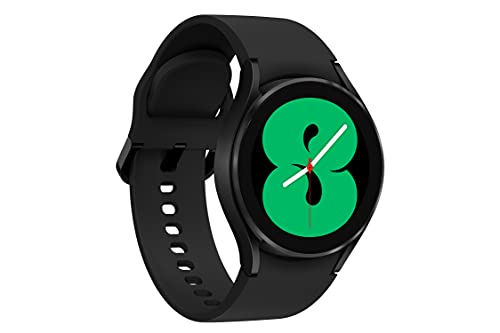
4. Samsung Galaxy Watch4 ECG Health Smartwatch
People who want health readings on their wrist get sleep, blood oxygen and heart monitoring from the Samsung Galaxy Watch4. Its ECG feature checks for possible atrial fibrillation, a common type of irregular heart rhythm, and lets you share readings with a doctor through Samsung Health Monitor on a compatible Galaxy phone.
During sleep, the watch tracks sleep patterns and SpO2 levels continuously. These overnight readings can help you review both rest and blood oxygen alongside the watch’s other health information.
For exercise, it automatically recognizes six activities, including running, rowing and swimming, within three minutes. Workout tracking covers a range of sessions, while live coaching through a smartphone and group challenges with friends can add guidance and motivation.
GPS and fall detection also feature in the product title, alongside Bluetooth connectivity. The black watch has a 40mm case, a size to consider when choosing how it will sit on your wrist.
This is a renewed watch that Amazon-qualified suppliers have professionally inspected, tested and cleaned. Its health features rely on a compatible Galaxy phone for sharing ECG readings, so that requirement matters if you want to send results to your doctor.
The Galaxy Watch4 suits people who want wrist-based sleep and exercise tracking with ECG monitoring, especially those who use a compatible Galaxy phone. The available information does not specify battery life or display details, so check those before deciding if they matter to you.
- ECG checks for possible atrial fibrillation
- Tracks sleep and SpO2 levels overnight
- Recognizes six workouts automatically in minutes
- Share ECG readings through a compatible phone
- ECG sharing requires a compatible Galaxy phone
5. Samsung Galaxy Watch4 Classic LTE Smartwatch
At home or on a run, the black Samsung Galaxy Watch4 Classic puts health tracking on your wrist in a 46mm case. Its LTE connection also lets you talk, text and stream music while you’re on the go.
For heart monitoring, it records ECG readings and can help track signs of atrial fibrillation, an irregular heart rhythm. You can share personalized readings with a doctor through the Samsung Health Monitor app on a compatible Galaxy phone.
Body composition readings cover body fat, skeletal muscle, body water, basal metabolic rate and BMI. Sleep tracking also monitors SpO2 levels, giving you overnight readings to review alongside your other health data.
Workout tracking automatically recognizes six activities, including running, rowing and swimming. Running coaching and VO2 Max readings add information about oxygen levels and heart and lung endurance.
The 46mm watch also supports live coaching through a smartphone and group fitness challenges. Google services and apps provide options for directions, payments and music, while Bixby or Google Assistant can answer requests from your wrist.
This black LTE smartwatch suits Galaxy phone owners who want heart, sleep, body composition and workout tracking in one wearable. Its health-monitoring features are the main draw, with phone-style communication and app access adding useful options while away from a phone.
- ECG tracking flags possible irregular heart rhythms
- Tracks five body composition measurements on-wrist
- Sleep tracking includes continuous SpO2 monitoring
- Recognizes six workouts, including swimming
- ECG sharing requires a compatible Galaxy phone
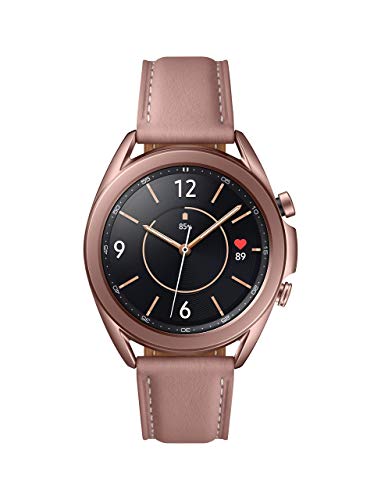
6. Samsung Galaxy Watch3 Health Monitoring Watch
SpO2, VO2 max and heart-rate monitoring give the Samsung Galaxy Watch3 several ways to track health from your wrist. These readings can help you follow changes in oxygen levels, estimated fitness and heart rate, but the watch is not intended to diagnose or treat medical conditions.
For everyday wellness checks, it also tracks menstrual cycles and can send an alert if you stumble. Some health features require software updates, and the listing notes that SpO2, VO2 max and running coach features were not available at launch.
Fitness tracking covers seven popular activities, which the watch can recognize automatically. Its built-in run coaching offers guidance during runs, while GPS lets you track outdoor activity without needing to carry your phone for location data.
The 41mm watch comes in Mystic Bronze and uses a customizable design with more than 50,000 watch faces. Samsung also lists military-grade durability and water resistance, so it can accompany workouts and daily routines.
Samsung says the battery can last for days between charges, though actual battery life depends on use. This renewed Bluetooth model suits buyers who want wrist-based health and fitness tracking in a compact Samsung watch.
- Tracks SpO2, VO2 max and heart rate
- Automatically recognizes seven popular activities
- Built-in run coaching guides your workouts
- GPS tracks outdoor activity from your wrist
- Some health features require a software update
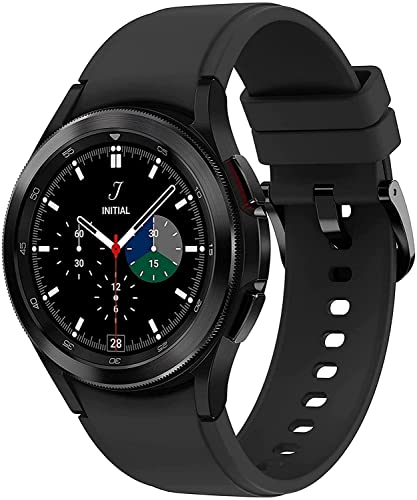
7. Samsung Galaxy Watch4 Classic Health Watch
Samsung gives this 42mm Galaxy Watch4 Classic tools for tracking heart health, sleep and exercise. Its ECG feature checks for possible atrial fibrillation, a common irregular heart rhythm, and lets you share readings with your doctor through the Samsung Health Monitor app.
The watch also tracks body composition, including body fat, skeletal muscle, body water, basal metabolic rate and Body Mass Index. These measurements give you several health figures to follow from your wrist.
For sleep monitoring, it tracks sleep patterns and SpO2 levels continuously while you wear it to bed. Workout tracking recognizes six activities, including running, rowing and swimming, and can identify them automatically after three minutes.
Runners get coaching features and VO2 Max readings, which estimate how well your body uses oxygen during exercise. That can help you follow changes in heart and lung endurance over time.
The black watch works as an extension of your phone, so you can call, text and stream music from your wrist. Google services include directions, YouTube music and payments, while Bixby and Google Assistant offer voice help.
Its 42mm case has a classic watch look, and you can change the watch face and band to suit your taste. This is our final pick for people who want a Samsung watch centered on health tracking, sleep and workouts.
- ECG tracking flags possible irregular heart rhythms
- Tracks five body composition measurements
- Monitors sleep and SpO2 through the night
- Recognizes six workouts after three minutes
- VO2 Max readings help track endurance
- No major cons
How to Choose the Best Samsung Watches for Health Monitoring
The right health-tracking watch depends on which readings you need, how often you wear it, and whether your phone supports its features. Battery life, fit, cellular service, and the watch’s age also affect everyday usefulness and long-term value.
| If You Need | Look For | Expect |
|---|---|---|
| Heart rhythm checks | ECG support and compatible phone | Setup limits vary by region |
| Sleep and oxygen tracking | Overnight SpO₂ and sleep records | More frequent charging |
| Exercise insights | GPS, workout detection, running metrics | GPS use drains battery faster |
| A smaller watch | Case around 40–42mm | Smaller screen and battery |
| Phone-free calls | LTE and carrier support | Monthly service fees |
| Lower upfront cost | Renewed condition and return terms | Possible wear or shorter coverage |
Health Features and Limits
Start with the readings you want, such as heart rate, sleep, blood oxygen, ECG, or body composition, because watches differ in which measurements they offer. A longer feature list is useful only if it answers questions you actually have.
ECG and possible irregular-rhythm alerts are screening tools, not diagnoses, so they do not replace medical advice or emergency care. Before buying, confirm that the feature works in your country, with your phone, and through the required health app.
Sleep tracking and overnight blood-oxygen readings need a comfortable fit and enough battery to last through the night. If sleep is your priority, look for continuous overnight records and consider whether daytime charging will fit your routine.
Phone Compatibility
Phone compatibility determines which health readings, apps, and alerts you can use, so confirm it before comparing watch features. Some health functions depend on a specific phone operating system, companion app, or account.
Bluetooth models rely on a nearby phone for connected functions, while GPS can record routes without the phone beside you. LTE adds calls and data away from your phone, but requires carrier support and usually a paid plan.
Older watches may support fewer phone models or newer app functions than current ones. Check the watch’s software support and the exact phone requirements for each health feature, especially if you use an iPhone or an older Android phone.
Fit and Comfort
A watch must sit comfortably through sleep, exercise, and daily wear, because a poor fit can interrupt tracking. Case sizes around 40–42mm tend to suit smaller wrists, while larger cases offer more screen space.
Measure your wrist and compare it with the case dimensions and strap range, not just the screen size. A large case may feel heavy during sleep or catch on sleeves, while a smaller display may be harder to read.
For heart-rate and sleep readings, the watch should sit snugly without pinching. If possible, consider strap options and replacement costs, since a comfortable strap makes regular wear easier and more consistent.
Battery and Charging
Battery life shapes how often you can track sleep and workouts without planning around a charger. GPS, LTE, bright screens, and frequent health measurements usually use power faster than basic notification use.
Look for a stated battery estimate that matches your habits, and treat it as a guide rather than a guarantee. If you want overnight tracking, choose a watch with enough reserve to reach bedtime after a full day.
Charging features can make daily use easier, but confirm what charger or compatible phone is required. A routine of short daytime charging suits sleep tracking better than a watch that needs a long charge every night.
Health Data and Apps
Health readings are most useful when you can review trends over time, so look at the companion app’s charts, summaries, and export options. A single daily score is less informative if you cannot see what contributes to it.
Consider whether you want data shared with a clinician or another health app. ECG reports may be shareable as files on some setups, but availability and steps differ by phone, region, and software.
Personalized tips or readiness scores can help you notice patterns, but they are estimates based on recorded data. Use them as prompts for questions or routine changes, not as medical instructions or proof of a condition.
Exercise and GPS
For outdoor runs and rides, built-in GPS records routes and distance without relying entirely on your phone. GPS is useful for independent workouts, though it uses more battery and route accuracy varies with surroundings.
Automatic workout detection saves time when you forget to start a session, but it may begin after activity has already started. If exact workout timing matters, use manual start and confirm which activities the watch recognizes.
Runners may value coaching, pace data, or VO₂ max estimates, which indicate how the body uses oxygen during exercise. These figures help compare personal trends, but they are estimates and should not replace a clinical fitness assessment.
LTE and Safety
LTE lets a watch make calls or receive messages without a nearby phone, which helps during solo exercise or short outings. It adds a monthly carrier charge and needs compatible service, so compare the ongoing cost.
GPS and Bluetooth are enough for many buyers who usually carry a phone. Choose LTE only if phone-free contact is important, and confirm whether your carrier supports watch plans and emergency calling in your area.
Fall or stumble alerts can add reassurance for some users, but they are not a substitute for a personal emergency plan. Check how alerts work, who receives them, and whether the watch needs a phone or LTE connection.
Price and Condition
Higher prices often buy newer software support, more sensors, LTE, or a larger display, but extra features are worthwhile only when you will use them. Set a budget around your must-have health readings first.
Lower-cost or renewed watches can offer useful tracking for less, but condition and remaining support deserve attention. Read the seller’s grading, battery and accessory details, return period, and warranty terms before choosing a renewed unit.
Compare the total cost, including any LTE plan, replacement strap, or charger. Paying more makes sense when it secures a needed health feature or longer support; it does not automatically mean more accurate readings.
Durability and Warranty
A watch worn overnight and during workouts faces sweat, knocks, and frequent charging, so review its water-resistance and care guidance. Water resistance is not permanent, and it does not mean every watch suits swimming or hot showers.
Warranty coverage matters more for renewed or older models, where battery wear and repair options may differ. Confirm the coverage period, what faults are included, and whether returns are available if the watch does not work with your phone.
Frequently Asked Questions
Which Samsung watch is best for tracking heart rate during movement?
The Galaxy Watch 7 40mm filters out body movement for more accurate heart-rate readings. The Galaxy Watch3 Health Monitoring Watch also tracks heart rate, alongside SpO2 and VO2 max.
Which model has the toughest build for outdoor use?
The Galaxy Watch5 Pro has a rugged titanium design suited to outdoor activities and demanding environments.
What comes in the box with these Samsung watches?
The product details provided don’t specify box contents, so check the listing for the exact included accessories and charging equipment.
Should I choose the Galaxy Watch4 ECG Health Smartwatch or the Galaxy Watch4 Classic LTE Smartwatch?
Choose the Galaxy Watch4 ECG for ECG monitoring that helps watch for atrial fibrillation. Pick the Galaxy Watch4 Classic LTE if body composition readings—such as body fat, muscle, water, and BMI—are your priority.
Which watches can help monitor sleep and blood oxygen?
The Galaxy Watch4 Classic Health Watch offers continuous sleep and SpO2 tracking. The Galaxy Watch3 Health Monitoring Watch also tracks SpO2.
Can any of these watches track workouts automatically?
The Galaxy Watch 3 Health Smart Watch automatically tracks seven activities and includes built-in run coaching.
Which model includes cycle and fall tracking?
The Galaxy Watch3 Health Monitoring Watch includes cycle tracking and fall-related monitoring, as well as SpO2, VO2 max, and heart-rate tracking.
So, What Should You Buy?
For most people, the Galaxy Watch 7 40mm is the best pick, with heart-rate tracking that filters body movement for more accurate readings. Choose the Galaxy Watch5 Pro for a rugged outdoor companion, or the Galaxy Watch 3 Health Smart Watch for automatic activity tracking and run coaching.
For ECG monitoring, consider the Galaxy Watch4 ECG; for body composition, the Watch4 Classic LTE. The Galaxy Watch3 Health Monitoring Watch adds SpO2 and VO2 max tracking, while the Galaxy Watch4 Classic focuses on sleep and SpO2. Pick the one that fits your health priorities.