

Underwater exploration brings silent wonder, vibrant marine life, and a sense of calm peace. Standard sports watches lack the depth sensors, decompression algorithms, and gas mix calculations needed for safe underwater adventures, leaving you guessing about crucial limits beneath the waves.
Underwater computers fix these exact worries by tracking depth, time, and safety limits directly on your wrist. Advanced sensors and built-in calculators monitor your ascent rate continuously, ensuring every descent remains controlled and predictable.
Clear digital screens display nitrogen absorption levels and remaining bottom time in bright light or darkness. Audible alerts warn you about fast ascents, while long-lasting batteries support multiple dives over a full weekend trip.
Wrist sizes, display layouts, and wireless air integration vary greatly among current releases, so features depend on your specific diving style. Compare the best scuba diving computer watches below to find your next dependable underwater instrument.
8 Best Scuba Diving Computer Watches Reviews

1.Cressi Leonardo 2.0 Dive Computer Watch
Air, Nitrox and Gauge modes adapt to diverse underwater diving setups

2.SUNROAD D3 Scuba Diving Computer Watch
Maximum depth display of 330 feet supports extreme underwater dives

3.Mares Puck Lite Scuba Diving Computer
Bühlmann ZH-L16C algorithm allows divers to customize gradient factors
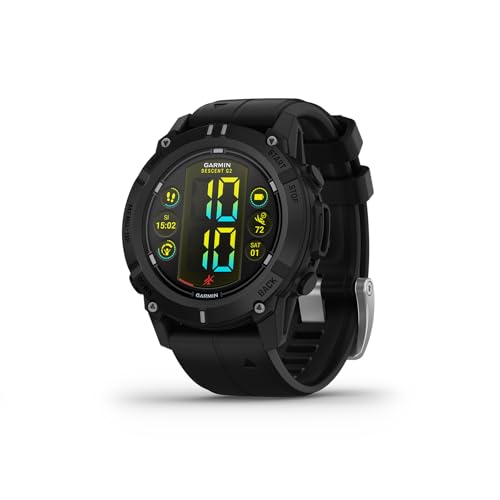
4.Garmin Descent G2 Dive Computer Watch
1.2 AMOLED display and sapphire lens provide rugged and clear viewing

5.Cressi Donatello Scuba Dive Computer
Single-button interface simplifies operation for adult scuba divers

6.SCUBAPRO G3 Scuba Dive Computer Watch
Stainless steel housing supports diving up to 300 meters in depth
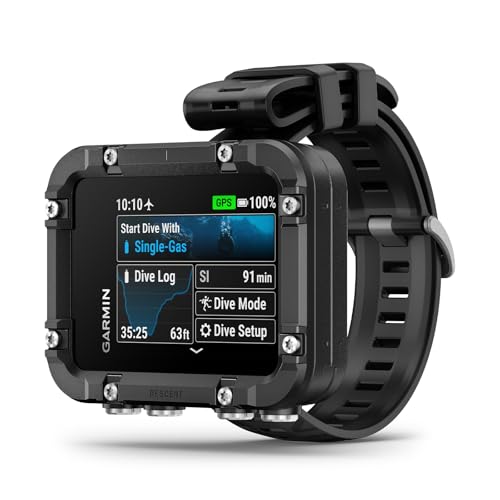
7.Garmin Descent X30 Scuba Dive Computer
Vibrant 2.4 color display lets you customize screens with data fields
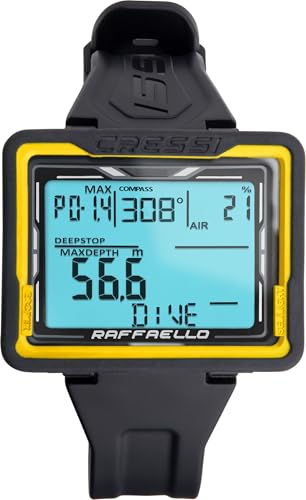
8.Cressi Raffaello Scuba Dive Computer
Built-in digital compass removes the need for an extra hand tool
1. Cressi Leonardo 2.0 Dive Computer Watch
Cressi Leonardo 2.0 tracks underwater adventures using versatile Air, Nitrox and Gauge modes. This scuba diving watch adapts smoothly to diverse underwater setups during cool seasonal excursions.
A single-button interface helps divers navigate menus effortlessly in chilly waters. Clear visual and audible alarms notify you of essential dive data quickly during every scuba diving experience.
Smartphones and tablets pair with this dive computer watch for comprehensive dive tracking and post-dive review. Cross-platform compatibility ensures seamless connectivity while analyzing dives from your mobile device.
USB and infrared capabilities transfer dive logs easily for detailed data management. Managing your scuba diving computer records remains efficient and thorough throughout the year.
Weighing about zero point four pounds, this black and pink watch features a backlit display. Cressi covers the device with a two-year limited warranty. This dive computer suits scuba divers who need reliable underwater data tracking.
- Air, Nitrox and Gauge dive modes
- Single-button control interface
- Visual and audible safety alarms
- Pairs with iOS and Android devices
- USB and infrared data transfer
- Short two-year limited warranty
2. SUNROAD D3 Scuba Diving Computer Watch
For underwater exploration, the SUNROAD D3 scuba diving computer watch gives divers vital data down to one hundred meters. This white wristwatch supports multiple dive types, including air mode, nitrox mode, gauge diving, free diving, and high altitude diving.
Divers can program oxygen mixtures from 21 percent to 50 percent for safe gas planning. The digital compass helps you stay on course beneath the waves, while the temperature sensor tracks the water conditions around you.
Essential metrics such as decompression stop data, no-decompression limits, oxygen toxicity units, and central nervous system tracking appear clearly during your descent. Audible alarms sound when you reach preset limits, keeping safety a priority throughout every underwater excursion.
You can display data in either imperial or metric units depending on personal preference. The built-in backlight makes the display easy to read in low light and night conditions when darkness surrounds you.
A rechargeable USB battery holds a standby charge for up to 30 days between power-ups. Weighing less than a third of a pound, this stylish digital timepiece suits both recreational divers and seasoned underwater explorers.
- Water-resistant down to 100 meters
- Tracks oxygen toxicity and limits
- Built-in digital compass tool
- Program oxygen up to 50 percent
- Short standby battery of 30 days
3. Mares Puck Lite Scuba Diving Computer
100 dives are tracked by the robust logbook of the Mares Puck Lite Scuba Diving Computer, complete with graphs and detailed profiles for future planning. This watch-style device uses the Bühlmann ZH-L16C algorithm to let divers customize gradient factors for better safety during decompression.
Nitrox mixtures ranging from 21% to 50% are supported, which helps expand capabilities and optimize gas consumption for longer bottom times. A crystal-clear segment display with 800 segments and chip-on-glass technology keeps the screen visible in various underwater conditions.
Single-button navigation simplifies operations, allowing you to access essential functions quickly even while wearing thick gloves. You can track performance and plan future trips using the Mares and SSI apps, which offer additional insights for logging dive data efficiently.
An integrated Bluetooth interface connects directly to smart devices for straightforward firmware updates and data syncing after you leave the water. The user-replaceable power source lasts through 100 dives to ensure reliable performance during underwater adventures.
Weighing about 0.75 pounds with an aqua color finish, this freediving and scuba diving computer suits both recreational and technical divers looking for precise telemetry.
- Uses Bühlmann ZH-L16C decompression algorithm
- Nitrox compatible from 21% to 50% mixtures
- Crystal-clear segment display with 800 segments
- Integrated Bluetooth for smart device connection
- User-replaceable power source lasts 100 dives
- Basic single-button control lacks advanced menus
4. Garmin Descent G2 Dive Computer Watch
Divers who want reliable guidance underwater get clear readings from the Garmin Descent G2, which doubles as a rugged watch-style dive computer. Its bright 1.2-inch AMOLED display sits under a tough sapphire lens and leakproof buttons, giving you clear visibility in deep water.
This watch supports recreational, advanced, technical, freediving and pool apnea sessions, keeping track of every underwater trip. You can also view logs right on the device or check detailed stats later using the Garmin Dive smartphone app.
Multi-GNSS support helps divers mark surface entry and exit points, so you can see exact routes on a map. A 10 ATM dive rating handles deep pressure easily, while the housing uses 100 percent recycled ocean-bound plastics.
The battery runs for about 27 hours during dive sessions and lasts up to 10 days in standard smartwatch mode. Health tracking features monitor sleep scores, wrist-based heart rate, Pulse Ox and Body Battery energy levels throughout the day.
Built-in sports apps and training tools like VO2 max track your physical exertion and show how your body adapts to exercise. Smartwatch features include Garmin Pay contactless payments, app customization and phone notifications for everyday wear.
- Supports all major types of diving
- Bright 1.2-inch AMOLED screen
- Lasts 27 hours in dive mode
- Tracks multi-GNSS surface entry points
- Built with recycled ocean plastics
- Battery life drops to 10 days in smartwatch mode
- Screen size may feel small for some users
5. Cressi Donatello Scuba Dive Computer
On autumn diving trips, the Cressi Donatello helps adult divers navigate underwater exploration through a simple single-button interface. This black and blue scuba diving computer watch allows quick switching between air and nitrox modes during varying underwater conditions.
Freediving sessions work well with this device because it includes a specialized freediving gauge mode for breath-hold adventures. You can customize your ascent safely by choosing user-selectable deep stops for precise planning in cooler water temperatures.
Reviewing your past underwater logs happens easily on Windows and Mac computers after returning from chilly evening excursions. This digital logging process streamlines your post-dive data management and helps you prepare for future expeditions without trouble.
Weighing about 0.3 pounds, this lightweight dive watch fits comfortably on your wrist during long days of ocean exploration. Cressi includes a user-changeable battery so you can replace power sources independently between seasonal trips.
A reliable two-year limited warranty provides extra peace of mind for buyers investing in new diving equipment. This scuba dive computer suits recreational divers who need straightforward tracking during autumn water adventures.
- Single-button interface simplifies underwater use
- Switches easily between air and nitrox modes
- Freediving gauge mode supports breath-hold dives
- User-selectable deep stops customize your ascent
- Windows and Mac compatibility reviews logs
- No major cons
6. SCUBAPRO G3 Scuba Dive Computer Watch
The real name of its main feature, a watch-style color display, lets you read dive data easily. SCUBAPRO G3 pairs this high-contrast full-color screen with a backlight so you can check details in any underwater condition.
For safe exploration, the watch offers three dive modes covering scuba, gauge and apnea. Scuba mode includes four settings for trimix, closed-circuit rebreather, sidemount and predictive multi-gas dives down deep.
Divers can pick two selectable algorithms named Predictive Multi-Gas Bühlmann or ZHL-16 Gradient Factors to match their personal style. Wireless air integration monitors tank pressure while providing true remaining bottom time based on your actual air consumption.
Four button controls and an intuitive Galileo full-text menu make navigating settings straightforward between dives. You can customize the screen presentation with light or classic options to show the data you want to see.
A robust stainless steel housing protects the device during deep excursions, supporting descents up to about nine hundred eighty feet in gauge mode. A rotatable timing bezel with self-luminescent markers helps you track elapsed time manually.
Rechargeable lithium battery power lasts up to thirty hours per charge depending on your settings. Weighing about a third of a pound, this black wrist computer suits divers who want comprehensive data tracking.
- Full-color display with backlight
- Wireless air integration system
- Rechargeable lithium battery
- Choice of two algorithms
- No major cons
7. Garmin Descent X30 Scuba Dive Computer
Garmin designed the Descent X30 to track underwater adventures while keeping surface routes clear with a built-in GPS. This rugged dive computer handles scuba single and multi-gas dives, including trimix, so technical divers can explore safely.
A vibrant 2.4-inch color display shows data clearly, and you can customize screens with up to three data fields per page. The housing and bezel use recycled ocean-bound plastics to combine eco-friendly materials with dependable strength.
Four large, metal leakproof buttons let you operate the device underwater, and flip-screen mode orients those buttons on top. Built for the depths, the 10 ATM dive rating lets you explore deep underwater environments with confidence.
Surface GPS helps you navigate to dive sites and mark entry and exit points before or after your descent. NDL Aware depth metrics extend your bottom time by showing how specific depth changes impact your no-decompression limit in real time.
A 3-axis digital compass handles underwater navigation, and an onboard water temperature sensor helps you find the thermocline. Surface interval tracking helps you plan multiple dives in a single day, while the battery runs for up to 30 hours.
Weighing less than half a pound with an adjustable black band, this watch suits scuba divers and technical explorers alike.
- 2.4-inch vibrant color display
- Surface GPS for site navigation
- 10 ATM dive-rated for deep water
- Tracks scuba single and multi-gas
- Runs for up to 30 hours on battery
- No major cons
8. Cressi Raffaello Scuba Dive Computer
With a built-in digital compass and mixed-gas planning, the Cressi Raffaello helps you navigate underwater and prepare for complex multi-gas dives. This black and yellow wrist dive computer supports both apnea and gauge modes, which lets you switch easily between traditional scuba and freediving.
You can transfer and review your dive history on a smartphone or PC after a day in cool fall waters. Bluetooth and USB options make data connectivity simple, so your logbook stays updated without extra cables or steps.
Oxygen indicators and ascent speed alarms provide extra safety checks during deeper descents and returns. These built-in alerts give you greater peace of mind while exploring new dive sites or dealing with changing currents.
Weighing about 0.6 pounds, the watch remains comfortable on your wrist throughout long excursions. A user-replaceable battery lasts up to 4 years, which reduces maintenance stops between seasons.
Last but not least, this versatile dive computer suits technical divers, freedivers and outdoor enthusiasts who need reliable underwater tracking.
- Built-in digital compass
- Supports mixed-gas planning
- Bluetooth and USB data transfer
- Apnea and gauge modes
- Oxygen and ascent alarms
- Limited two-year warranty
How to Choose the Best Scuba Diving Computer Watches
Choosing the right underwater timepiece protects your safety and tracks your depth accurately. Your final decision depends on diving frequency, breathing gas mixtures, and personal budget constraints.
| If You Need | Look For | Expect |
|---|---|---|
| Basic recreational diving | Air and nitrox modes | Simpler screen layout |
| Underwater navigation | Digital compass sensor | Higher initial cost |
| Long battery intervals | User-changeable batteries | Regular seal replacements |
| Wireless tank monitoring | Air integration support | Expensive transmitters |
| Deep technical diving | Multi-gas algorithms | Complex menu systems |
| Frequent travel use | Lightweight plastic case | Less rugged metal |
Operating Modes and Nitrox Support
Recreational dives require basic air settings, while more advanced explorations demand nitrox configurations for enriched oxygen breathing mixtures. Nitrox allows longer bottom times by reducing nitrogen absorption during prolonged underwater excursions. You should select a model supporting oxygen fractions up to fifty percent if you plan enriched air training.
Technical diving requires multi-gas capability to switch breathing gases during deep decompression stops. Freedivers need dedicated apnea profiles to track surface intervals and descent times accurately. Recreational participants do not need complex multi-gas setups, so simpler devices save money.
Decompression Algorithms
Decompression algorithms calculate nitrogen absorption in your tissues during every single phase of your dive. Models utilizing Bühlmann or RGBM mathematical formulas help prevent decompression sickness by setting safe ascent limits. Advanced divers often prefer algorithms with adjustable conservatism factors for repetitive multi-day underwater tours.
Standard algorithms suit occasional vacation divers who stay well within standard no-decompression limits. Custom safety factors allow you to add extra caution when diving in cold water or feeling fatigued. Every diver must understand how these mathematical models dictate surface interval requirements.
Display Readability and Backlighting
Underwater visibility changes rapidly due to murky water, suspended silt, or night diving conditions. A bright display ensures you read depth, time, and safety warnings without squinting. Color screens offer fantastic contrast, making critical data pop against dark ocean backgrounds.
Monochrome displays use segment chips to show essential numbers clearly while preserving battery longevity. Backlights must activate easily with a gloved hand during low-light underwater adventures. Always verify that numbers appear large enough for your eyesight at depth.
Battery Type and Power Lifespan
Battery systems come in two distinct styles: rechargeable lithium-ion packs and user-changeable coin cells. Rechargeable units offer bright color screens, but they require frequent tethering to USB cables. Coin cell batteries last for years, letting you swap them yourself before trips.
Long battery life prevents sudden device shutdowns during remote liveaboard dive expeditions. Models with extended standby modes remain ready for action after months sitting in storage. Consider whether you prefer plugging in weekly or replacing batteries every few years.
Air Integration and Transmitters
Air integration connects your wrist device directly to a wireless tank transmitter for real-time gas tracking. This setup shows your remaining air time instantly without needing a traditional analog hose console. Technical divers rely on this data to calculate exact breathing rates underwater.
Transmitters add extra hardware costs and require pairing with your specific wrist unit. Casual divers often skip air integration to keep gear setup simple and affordable. Traditional pressure gauges remain a reliable backup if wireless signals fail.
Physical Size and Daily Wearability
Wrist devices range from bulky expedition instruments to sleek models doubling as everyday wristwatches. Heavy housings use stainless steel or sapphire lenses, which resist scratches during rough shore entries. Lightweight plastic models reduce arm fatigue when swimming against strong ocean currents.
Bulky watches look out of place with casual clothing during your surface intervals. Slim profiles slip easily under tight wetsuit cuffs without snagging on equipment straps. Match the physical dimensions to your wrist size and personal fashion preferences.
Navigation and Compass Features
Digital compasses help you navigate reef structures and locate anchor lines without getting lost underwater. Surface GPS functionality lets you mark entry and exit points accurately on coastal shore dives. These navigational tools improve safety when visibility drops below normal recreational levels.
Basic models omit compass sensors entirely to reduce retail pricing for budget-conscious buyers. Built-in digital compasses require manual calibration to maintain accurate directional headings underwater. Decide whether you explore uncharted sites or stick to guided boat tours.
Pricing Tiers and Value
Entry-level wrist devices cost under three hundred dollars, offering basic air and nitrox tracking. Mid-range units add digital compasses and Bluetooth connectivity for roughly three to six hundred dollars. Premium models exceed eight hundred dollars, delivering color screens, air integration, and GPS.
Higher prices are worthwhile only if you utilize advanced features during frequent underwater excursions. Beginners should avoid overspending on technical capabilities they will rarely activate. Balance your current certification level against future diving ambitions before buying.
Logbook Capacity and Data Transfer
Digital logbooks store your depth profiles, water temperatures, and dive times for post-trip analysis. Modern units store up to one hundred dives before overwriting older historical data entries. Bluetooth and USB connectivity let you sync dive logs directly to smartphones or laptops.
Software apps display your underwater profiles graphically, helping you evaluate your breathing consistency. Look for cross-platform compatibility with both Apple and Windows operating systems. Seamless data transfer saves time when recording your diving certifications.
Warranty Coverage and Support
Manufacturer warranties protect you against unexpected hardware defects and internal water leakage issues. Standard coverage typically lasts for two years from the original purchase date. Responsive customer service helps resolve firmware glitches or charging faults quickly.
Review the fine print to see if battery replacements void your waterproof seals. Buying from authorized dealers ensures valid warranty support if manufacturing problems occur. Reliable brands stand behind their underwater instruments with robust repair programs.
Frequently Asked Questions
Are all of these scuba diving computer watches battery-powered?
While all of these dive computers require power to operate, specific battery types and charging methods vary by model.
What is the difference between the Garmin Descent G2 and the Garmin Descent X30 displays?
The Garmin Descent G2 features a 1.2 AMOLED display and sapphire lens, whereas the Garmin Descent X30 uses a vibrant 2.4 color display that lets you customize screens with data fields.
Should I get the Cressi Leonardo 2.0 or the Cressi Donatello?
The Cressi Leonardo 2.0 offers Air, Nitrox and Gauge modes to adapt to diverse setups, while the Cressi Donatello features a single-button interface to simplify operation.
What comes in the box with these scuba diving computer watches?
Each computer watch comes with its standard manufacturer packaging, though specific accessories like straps, manuals, or charging cables depend on the individual product package.
Which of these watches support extreme deep water dives?
The SUNROAD D3 supports extreme dives with a maximum depth display of 330 feet, and the SCUBAPRO G3 supports diving up to 300 meters in depth with its stainless steel housing.
How do I handle customizing my decompression algorithm settings?
You can customize gradient factors using the Bühlmann ZH-L16C algorithm found on the Mares Puck Lite Scuba Diving Computer.
How do I navigate underwater without carrying an extra hand tool?
You can use the built-in digital compass on the Cressi Raffaello Scuba Dive Computer to navigate without needing an extra handheld tool.
So, What Should You Buy?
For most divers, the Cressi Leonardo 2.0 offers the ideal balance of versatility with Air, Nitrox, and Gauge modes. Budget-conscious beginners will appreciate the simple single-button interface of the Cressi Donatello, while technical divers needing advanced customization should choose the Mares Puck Lite.
If you want extreme depth capabilities, opt for the SUNROAD D3 or SCUBAPRO G3. Select the model that best matches your diving style and jump in.