

An Omega watch brings precise timekeeping, polished design, and a sense of occasion to daily wear. Without a dependable wristwatch, you may check your phone for the time, but it lacks the quick glance and considered style a watch adds to an outfit.
For a more convenient, lasting alternative, an Omega watch keeps time on your wrist and complements both workwear and weekend clothes. Models under $5,000 can make the brand’s craftsmanship and distinctive designs accessible without stepping into its highest price tier.
Many offer automatic movements, durable materials, and water resistance suited to everyday routines. Clear dials make the time easy to read, while thoughtful details and versatile case designs help your watch feel at home across different settings.
Omega watches vary in movement, size, materials, and water resistance, so consider how you plan to wear yours. Explore the best omega watches under 5000 below to find a timepiece that suits your style and routine.
6 Best Omega Watches Under 5000 Reviews

1.Omega Speedmaster Racing 40mm Automatic Watch
Swiss-automatic movement keeps time without a battery for daily wear

2.Omega Speedmaster 40mm Automatic GMT Watch
Rotating GMT bezel helps track a second time zone while traveling
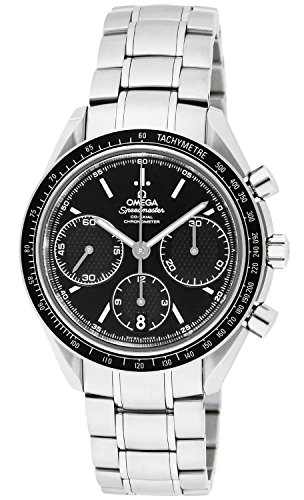
3.Omega Speedmaster Racing Chronograph Watch
Automatic chronograph movement powers the Speedmaster Racing watch

4.Omega Prestige Co-Axial Automatic Watch
Co-Axial automatic movement powers this silver-dial unisex timepiece

5.Omega Deville Prestige Co-Axial Men's Watch
Co-Axial automatic movement powers this men's Prestige watch daily

6.Omega Seamaster 396.1042 36mm Quartz Watch
36mm stainless steel case and quartz movement with a date function
1. Omega Speedmaster Racing 40mm Automatic Watch
The Omega Speedmaster Racing is an automatic watch for buyers who want a mechanical timepiece with a sporty look. Its Swiss-automatic movement runs without a battery, using the motion of the wearer’s wrist to power the watch.
The 40mm stainless steel case gives it a defined presence on the wrist without an oversized profile. A black dial contrasts with the silver case, making the display easy to distinguish at a glance.
Water resistance reaches 330 feet, which gives the watch more room for everyday water exposure than basic splash resistance alone. It suits buyers who want a watch they can wear for routine activities without treating it as a delicate dress piece.
The analog display keeps the time presentation traditional, while the Speedmaster Racing name places this model in Omega’s racing-inspired collection. Its black-and-silver color combination also works with both casual clothes and more formal outfits.
At about 1 pound, it has a substantial feel compared with many everyday watches. That weight may be noticeable on the wrist, so buyers who prefer a very light watch should consider how it might feel through a full day.
This Omega suits shoppers looking for a Swiss automatic watch with a 40mm steel case, a black dial and 330-foot water resistance. Its mechanical movement and classic color pairing make it a fitting choice for everyday wear or a watch collection.
- Swiss automatic movement runs without a battery
- 330-foot water resistance suits everyday wear
- 40mm steel case has a balanced wrist size
- Black dial contrasts with the silver case
- About 1 pound may feel heavy on the wrist
2. Omega Speedmaster 40mm Automatic GMT Watch
For tracking a second time zone and timing everyday activities, the Omega Speedmaster pairs a GMT rotating bezel with automatic self-winding movement. Its black analog display keeps time at a glance, while the bezel adds a way to follow another time zone alongside local time.
The automatic movement winds itself as you wear the watch, so it does not rely on a battery for its usual operation. This suits someone who wears a watch regularly and wants a mechanical timepiece rather than a digital display.
A 40mm case gives the watch a moderate size on the wrist. Its black color keeps the look understated, and the rubber band offers a flexible option for daily wear.
Water resistance reaches 330 feet, which gives it room for swimming and other water activities within that stated rating. Buyers should still follow the maker’s guidance for water exposure, since the listing does not specify details such as crown operation or diving certification.
The GMT bezel makes this model useful for people who track local time and another time zone, while the automatic movement adds a traditional watch feature. Its everyday appeal comes from that combination, the rubber band and the stated water resistance.
This Omega suits buyers looking for a 40mm automatic watch with GMT timing and substantial water resistance, especially those who prefer a black watch with a rubber band.
- 330-foot water resistance suits water activities
- GMT bezel helps track another time zone
- Automatic movement winds as you wear it
- 40mm case offers a moderate wrist size
- No major cons
3. Omega Speedmaster Racing Chronograph Watch
2.35 pounds gives the Omega Speedmaster Racing a substantial feel on the wrist, while its black dial keeps the look restrained. This automatic chronograph pairs a stainless steel case and bracelet with a design suited to daily wear or more formal occasions.
The Speedmaster Racing name puts the chronograph at the center of the watch’s appeal. Its automatic movement means it runs without a battery, while the chronograph function lets you measure elapsed time for everyday activities.
The black dial offers a straightforward backdrop for checking the time and using the chronograph. Stainless steel gives the watch a consistent metal finish, so it can work with both casual clothes and office attire.
Omega’s Speedmaster line gives this model a recognizable place in the brand’s watch range. Its racing identity may appeal to buyers who want a chronograph with a motorsport-inspired name, rather than a simpler time-only watch.
The listed weight is about 2.4 pounds, a notable consideration for anyone who prefers a lighter watch. The product details do not give a case diameter, water resistance rating, or power reserve, so buyers who compare those specs will need to confirm them before choosing.
For shoppers looking under $5,000, this Speedmaster Racing suits someone seeking an Omega automatic chronograph, a black dial and stainless steel construction. Its substantial listed weight is best suited to buyers who are comfortable wearing a heavier watch.
- Automatic chronograph with racing identity
- Black dial pairs easily with many outfits
- Stainless steel construction has a classic look
- No major cons
4. Omega Prestige Co-Axial Automatic Watch
Buyers who want an Omega watch with a traditional automatic movement get that core feature in the Prestige Co-Axial. Its silver dial gives the watch a restrained look, while the unisex design suits a range of wearers.
The title identifies the movement as Co-Axial and automatic, so it runs as a mechanical watch rather than relying on a battery. The data does not list a power reserve, so buyers should check that detail if they want to know how long it runs off the wrist.
Omega pairs the silver dial with a silver color listing. That keeps the appearance consistent, though the specifications do not identify the case or bracelet materials, so shoppers should confirm those details before choosing.
The watch weighs about 1 pound according to the listing. Its listed dimensions are about 5.9 inches across and deep, but those figures may describe the package rather than the watch itself.
The available details are brief: they do not state water resistance, crystal type, date display, or case diameter. This watch suits buyers drawn to an Omega automatic with a silver dial, provided they verify the fit and features they need before buying.
- Automatic Co-Axial movement powers the watch
- Silver dial gives it a versatile, refined look
- Unisex design suits a range of wearers
- No major cons
5. Omega Deville Prestige Co-Axial Men’s Watch
No room details or watch specifications accompany the Omega De Ville Prestige Co-Axial listing, so the available information does not establish its size, movement details or other buying factors. The title identifies it as a men’s watch in Omega’s De Ville Prestige Co-Axial line.
For shoppers comparing Omega watches under $5,000, the listing alone does not provide enough detail to assess its display, materials, water resistance or power reserve. Those specifications matter when deciding how the watch will suit daily wear.
The product data also gives no case size or strap information, so buyers cannot use it to judge fit or preferred style. It names the Co-Axial line but does not explain the movement or state a specific caliber.
Omega is the listed brand, and the title identifies the watch as part of the De Ville Prestige range. This option suits shoppers already interested in that line who can confirm the missing specifications before buying.
- Omega De Ville Prestige Co-Axial line
- No specifications beyond the product name
6. Omega Seamaster 396.1042 36mm Quartz Watch
Quartz movement gives this pre-loved Omega Seamaster a straightforward way to keep time, while its date function helps you track the day. The 36mm stainless steel case and black dial make it a compact option in this roundup of Omega watches under $5,000.
The watch has a 36mm case, a size that suits buyers who prefer a smaller wristwatch. Its listed wrist size is 17.5cm, so check that measurement against your wrist before buying. The bracelet and case are stainless steel.
This example is listed in very good pre-loved condition, but it is not free of wear. The case, case back, bezel, crown, bracelet and glass all have slight scratches, while the dial and hands show slight scratches or deterioration.
The quartz movement uses a battery, and the seller says the battery has been replaced. The watch has also been polished, which gives buyers two useful maintenance details when considering a pre-owned piece.
Its black color keeps the look simple, and the date display adds a practical feature without changing the watch’s compact format. The listing identifies it as a men’s watch and describes the size as one size.
As our final pick, this Seamaster suits buyers who want a pre-owned Omega with a 36mm stainless steel case, quartz timekeeping and a date display. It may appeal most to shoppers who accept visible signs of age in exchange for a used watch.
- Quartz movement keeps time with a date display
- Compact 36mm case suits smaller watch preferences
- Replaced battery and polish are noted maintenance
- Stainless steel case and bracelet offer a classic look
- Several parts have slight scratches or wear
How to Choose the Best Omega Watches Under 5000
Choosing a watch under $5,000 involves more than finding a style you like: movement, fit, condition, and service costs all shape daily ownership. Decide what you need it to do, then weigh those priorities against the total cost.
| If You Need | Look For | Expect |
|---|---|---|
| Accurate, low-fuss timekeeping | Quartz movement | Battery changes every few years |
| A traditional mechanical watch | Automatic movement | Regular servicing and time variation |
| Timing short events | Chronograph pushers and subdials | More controls and a busier dial |
| Tracking another time zone | GMT hand and clear 24-hour scale | A more complex dial |
| A slimmer everyday fit | Smaller case and short lug-to-lug | Less wrist presence |
| Swimming or wet-weather use | Verified water rating and sealed case | Periodic seal checks |
| A pre-owned bargain | Clear condition, service, and return terms | Wear and uncertain service history |
Movement Type
Quartz watches use a battery-powered circuit to keep time, while mechanical watches use a wound spring. Quartz usually asks less of you day to day, making it practical if accuracy and convenience come first.
Automatic movements wind as your wrist moves, but they stop after being left unworn for a while. If you rotate watches, ask about the power reserve and whether resetting the time and date feels manageable.
Mechanical watches may gain or lose time each day, even when functioning properly. Ask for the stated accuracy range and service history, especially for older pieces; a recent service record adds useful context.
Fit and Size
Case diameter alone does not predict comfort, since lug-to-lug length, thickness, and bracelet shape also affect how a watch sits. Compare those measurements with a watch you already wear comfortably.
A 36–40mm case suits many wrists, but wrist shape and personal taste matter more than a number. Smaller cases often slide beneath cuffs; larger ones bring more dial presence and can feel heavier.
Weight deserves attention before buying, particularly for steel cases and bracelets. A heavy watch may feel reassuring to some, but it can become tiring during long days or movement-heavy work.
Functions and Dial
Decide which functions you will use: a date display helps with everyday planning, while a chronograph measures elapsed time using pushers and subdials. Extra functions add practical value only when they suit your routine.
A GMT function tracks a second time zone with an extra hand, which helps frequent travelers or people working across regions. Learn how its scale is read, because extra markings can make the dial busier.
Dial contrast affects quick reading in different light, while hands and markers determine how easily you find the time. Choose a layout you can read at a glance, rather than paying for complications you rarely use.
Water Resistance
Water-resistance ratings describe pressure testing, not a promise that every watch is suitable for every water activity. Confirm the maker’s guidance for swimming, showering, and diving before exposing a watch to water.
For regular swimming, look for a clearly stated rating and a case designed for aquatic use, then confirm the crown and pushers are secured as instructed. Avoid operating chronograph pushers underwater unless the manual explicitly permits it.
Age, knocks, and gasket wear can reduce water resistance over time. For a pre-owned watch or one used around water, ask when it was last pressure-tested; arrange a test after service or suspected damage.
Materials and Strap
Stainless steel handles everyday wear and pairs well with both casual and work clothes, but it adds weight. Inspect bracelet links, clasp security, and finish, since replacement or repair costs affect ownership.
Rubber straps are lighter and easier to rinse after exercise, though some feel less formal than metal. Check strap length, buckle comfort, and whether replacement straps are readily available in the correct size.
Look at the case finish and crystal condition, especially on a used watch. Scratches, dents, or a chipped crystal affect appearance and repair costs; polishing can also remove metal, so ask about prior refinishing.
Pre-Owned Condition
For a pre-owned watch, request clear photographs of the dial, case, clasp, and movement paperwork, along with a written condition description. Close views reveal wear that a single polished image can hide.
Ask whether the watch has been serviced, when that work took place, and whether documentation is available. An old or unknown service history does not prove a problem, but it leaves you budgeting for possible maintenance.
Confirm that the serial information, seller details, return window, and included items are documented. A return option and a reputable independent inspection offer more protection than a verbal assurance about authenticity or condition.
Price and Total Cost
Under $5,000, price often reflects age, condition, materials, movement, and seller channel, not just the original retail value. Compare like-for-like examples and leave room in your budget for tax, shipping, and service.
Paying more is worthwhile when it buys verified condition, useful documentation, a recent service, or a return policy. A lower price may suit buyers comfortable with cosmetic wear or uncertain maintenance, provided the risks are clear.
Before committing, get a service estimate for the specific watch and movement, since costs vary by age and repair needs. Include straps, sizing, and future maintenance in your budget rather than focusing on the purchase price alone.
Warranty and Support
Read the warranty terms before purchase, including its length, covered parts, and exclusions. Coverage often excludes accidental damage or ordinary wear, so a warranty should not replace careful inspection or service planning.
For a pre-owned watch, ask whether any remaining coverage transfers to you and which documents are required. If coverage is absent, confirm who will handle repairs and whether parts and qualified service are accessible.
Keep the receipt, serial information, service records, and warranty paperwork together after buying. Those records help with future repairs, resale, and ownership questions, while a dated receipt also supports proof of purchase.
Frequently Asked Questions
Do any of these Omega watches need a battery?
The Speedmaster Racing 40mm, Speedmaster 40mm GMT, Speedmaster Racing Chronograph, and both Prestige Co-Axial watches use automatic movements. The Seamaster 396.1042 uses quartz movement, which runs on a battery.
Which of these watches can track a second time zone?
The Omega Speedmaster 40mm Automatic GMT Watch has a rotating GMT bezel to help track a second time zone while traveling.
What materials are used in the Seamaster 396.1042?
The Omega Seamaster 396.1042 has a 36mm stainless steel case. The product details do not specify the materials used for the other watches.
Which should I choose: the Speedmaster Racing 40mm Automatic or the Speedmaster Racing Chronograph?
Both have automatic movements, but the Speedmaster Racing Chronograph is specifically described as having chronograph movement. Compare their full specifications and choose based on the functions you want.
What comes in the box with these watches?
The listed product details do not specify what is included in the box, so check the retailer’s listing for the exact package contents.
How do I set the date on the Seamaster 396.1042?
The Seamaster 396.1042 has a date function, but the product details do not explain how to set it. Follow the instructions supplied with the watch or ask the seller for guidance.
So, What Should You Buy?
For most people, the Omega Speedmaster Racing 40mm Automatic is the best pick, pairing everyday wear appeal with Swiss-automatic movement and no battery. Travelers should consider the Speedmaster 40mm Automatic GMT for its second-time-zone bezel, while chronograph fans may prefer the Speedmaster Racing Chronograph.
For a Prestige style, choose the unisex Co-Axial Automatic or the men’s Deville Prestige Co-Axial. If you want a smaller quartz option with a date, the 36mm Seamaster fits the bill. Choose the Omega that best matches your priorities.