

An optical heart rate monitor watch helps you keep tabs on your pulse during workouts and everyday routines. Without one, you may rely on how hard you feel you’re working or pause to count beats manually, which can interrupt exercise and miss changes between checks.
For steadier feedback, a heart rate monitor watch shines light into your skin and measures changes in blood flow at your wrist. You can glance at your pulse while moving, follow workout intensity, and review trends later without stopping to count.
Many watches also track steps, sleep, and workouts, helping you spot activity patterns and set manageable goals. Phone alerts keep messages within reach, while GPS on some models records routes and pace, so your watch can support more than heart-rate checks.
Fit, battery life, sensor performance, and app features vary, so think about your routine and what information you’ll use. Explore the best optical heart rate monitor watches below to find a watch that suits your daily life.
8 Best Optical Heart Rate Monitor Watches Reviews

1.Withings ScanWatch Light Hybrid Smart Watch
Heart rate, sleep, cycle and step tracking runs for 30 days per charge

2.EarlySincere T13 Smart Watch with Heart Rate
Monitors heart rate, blood oxygen and sleep to track health trends

3.Fitpolo AR-01 Pro Smart Watch with AMOLED
Tracks heart rate, blood oxygen, breathing, stress and sleep stages

4.Kimeag S61 Smart Watch with Heart Rate
Optical sensors track heart rate and blood oxygen for health insights
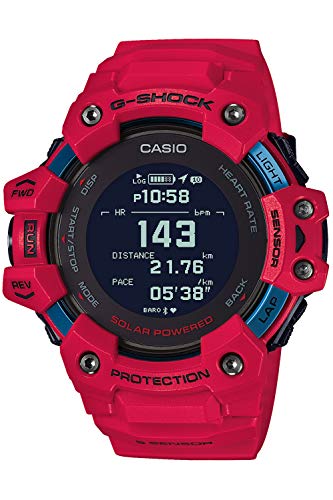
5.Casio G-Shock Move GPS Heart Rate Watch
Tracks heart rate up to 220 bpm with zones, graphs and target rates

6.Timex iConnect Kids Active Smartwatch
Optical heart rate tracking pairs with sleep, steps and activity data

7.SOUYIE IDW28 Smart Watch with 1.85-Inch AI
A 120Hz PPG sensor tracks heart rate and provides AI-powered alerts

8.Samsung Galaxy Watch4 40mm Smartwatch
Optical heart sensor tracks heart rate, with ECG and blood pressure
1. Withings ScanWatch Light Hybrid Smart Watch
Withings Scanwatch Light tracks heart rate alongside daily activity, sleep and menstrual cycles. Its hybrid watch design pairs heart-rate monitoring with step and activity tracking, giving you several everyday health measures in one wearable.
For heart-rate tracking, the product title names a heart rate monitor but gives no accuracy figures or additional sensor details. It also tracks steps and activity, which can help you follow movement throughout the day.
Sleep monitoring adds another way to keep tabs on daily habits. The cycle tracker is also included, so people who track menstrual cycles can use this watch for that purpose as well.
Battery life reaches up to 30 days, according to the product title. That can mean fewer charging breaks than a watch with shorter listed battery life, though actual battery life may vary with use.
Bluetooth connects the watch with iOS and Android devices. The white watch has a 37mm size and weighs about 0.1 pounds, while its FSA and HSA eligibility may help some buyers use eligible health-benefit funds.
This watch suits people who want a lightweight hybrid option for heart-rate, sleep and activity tracking, with cycle tracking included. Buyers who need detailed heart-rate performance figures will need information beyond the specifications provided.
- Tracks heart rate, sleep, steps, and activity
- Tracks cycles for added health insights
- Up to 30-day battery life reduces charging
- Works with both iOS and Android phones
- No major cons
2. EarlySincere T13 Smart Watch with Heart Rate
For heart rate tracking during workouts and daily routines, this EarlySincere smartwatch pairs optical health monitoring with call and message features. Its heart rate monitor works alongside blood oxygen and sleep tracking, giving you readings to follow over time.
The 1.9-inch HD full-touch screen displays notifications and watch functions, with touchscreen controls for moving through menus. You can also make and receive calls from your wrist through Bluetooth, while alerts for messages and apps such as WhatsApp, Facebook and Twitter appear on the screen.
For exercise tracking, the watch offers 123 sports modes, including running, cycling and yoga. It records distance, pace and calories burned, which can help you review different workouts and follow changes in your activity.
Battery life is listed as up to five to seven days of use after about two hours of charging, or up to 30 days on standby. The watch also supports an AI voice assistant, and the DaFit app lets you download and install different watch faces.
Its IP67 water- and dust-resistance rating suits everyday wear, while weather forecasts, music controls, sedentary reminders, alarms, a calculator and built-in games add daily-use options. This watch suits buyers who want heart rate and fitness tracking alongside wrist calls and notifications.
- Tracks heart rate, blood oxygen and sleep
- Offers 123 modes for varied workouts
- Up to seven days of use per charge
- Bluetooth calling and alerts on your wrist
- No major cons
3. Fitpolo AR-01 Pro Smart Watch with AMOLED
10+ days of battery life gives the Fitpolo smartwatch room to track health and activity across a long stretch between charges. Its heart rate monitoring makes it relevant to shoppers comparing optical heart rate monitor watches.
The 1.3-inch AMOLED touchscreen shows health readings, notifications and watch faces. An always-on display mode keeps the screen available, while Bluetooth lets you make and answer calls from your wrist.
It also tracks SpO2, breathing rate, stress score and menstrual health; these readings are for non-medical use. Automatic sleep tracking records light, deep and REM stages, giving you more detail about nightly rest.
For workouts, the watch offers more than 120 exercise modes and tracks steps, distance and calories. Its 3ATM water resistance supports use for swimming and running, according to the product information.
The burgundy watch has a lightweight design and comes in S/M/L sizing for wrist sizes from about 5.1 to 8.3 inches. It works with iPhones running iOS 12 or later and Android phones running Android 10 or later, but not tablets or computers.
AI voice control and wrist notifications add everyday convenience. This watch suits people who want heart rate and broader wellness tracking, call handling and a long listed battery life in one wearable.
- More than 120 modes track varied workouts
- 10+ days of battery life between charges
- Tracks heart rate, SpO2 and sleep stages
- 3ATM water resistance supports swim tracking
- Health readings are not for medical use
4. Kimeag S61 Smart Watch with Heart Rate
People who want heart rate and blood oxygen readings alongside everyday smartwatch features get both on the Kimeag watch. Its optical sensors track heart rate throughout the day, while sleep monitoring records when you fall asleep and tracks breathing patterns.
The watch also measures blood oxygen and logs daily steps, giving you several activity and wellness readings from your wrist. Sleep records may help you review your rest habits, though the listing does not give accuracy details for these measurements.
For exercise, it offers more than 112 sports modes, including cycling, swimming, baseball and yoga. Its IP68 water resistance suits rainy days and handwashing, and the large 1.43-inch TFT-LCD touchscreen lets you check information directly on the watch.
A built-in microphone and speaker let you answer, make or reject calls, while notifications show incoming texts and app updates. You can choose from more than 250 watch faces and switch between the two included straps.
Battery life is listed at up to seven days with heavy use or 15 days with daily use; standby time reaches up to 45 days. Magnetic charging takes about 1.5 to 2 hours, and the watch works with most smartphones.
An alarm, compass, music controls, weather forecast, games and a voice assistant round out its features. This watch suits people who want heart-rate tracking, a broad choice of workout modes and call functions on their wrist.
- Tracks heart rate and blood oxygen levels all day
- Monitors sleep timing and breathing patterns
- Lasts up to 7 days with heavy use per charge
- Large 1.43-inch Full HD touch display
- Supports 112+ sports modes for varied workouts
- No major cons
5. Casio G-Shock Move GPS Heart Rate Watch
On the trail or at the gym, this red Casio G-Shock Move tracks heart rate and running data while adding GPS and outdoor sensors. Its wrist-based heart-rate monitor records readings up to 220 bpm and shows heart-rate zones and graphs.
GPS or accelerometer data supports displays for distance, speed and pace. You can set lap times, pause tracking automatically and customize the training screen with details such as elevation, calories, average pace and heart rate.
After a run, training analysis includes VO2MAX, recovery time, training status and fitness-level trends. The watch stores data for up to 100 runs, with as many as 140 lap times per run, giving regular runners records to review.
For outdoor use, it combines an altimeter, barometer, thermometer and compass with 200-meter water resistance and shock resistance. A barometric-pressure alarm uses a sound and arrow to signal significant pressure changes.
The quartz watch uses Tough Solar charging and can also charge through a dedicated cable connected to a device with a Type-A USB port. Bluetooth links it to a mobile device, while GPS can receive position and time information manually or time information automatically once a day.
Its red resin-strap design includes an LED backlight, and it weighs about 0.12 pounds. This watch suits runners who want wrist heart-rate tracking, GPS-based workout details and outdoor sensors in one rugged watch.
- Wrist heart-rate tracking with zones and graphs
- GPS tracks distance, speed, pace and position
- Training analysis includes VO2MAX and recovery time
- Solar charging plus cable charging option
- 200-meter water resistance and shock resistance
- Automatic GPS reception only updates time daily
6. Timex iConnect Kids Active Smartwatch
The optical heart rate monitor makes the iConnect by Timex Kids Active Smartwatch a practical pick for children who want to track activity. It also records sleep, steps, calories and distance, while a sports mode supports activity tracking.
Kids can set daily movement goals and check their progress on the color LCD. The square 37mm case has customizable watch faces, and its adjustable resin strap fits wrists up to 8 inches around.
The battery runs for up to five days before recharging, so it can cover several days of wear between charges. IP68 water resistance allows the watch to handle immersion up to 1.5 meters for as long as 30 minutes.
Notifications, local weather updates and a music controller add everyday functions. A phone finder can help locate a paired phone, and the built-in Free Throw Basketball Game gives kids another option on the watch.
The iConnect by Timex 2 app works with Android 5.0 and later or iOS 9.0 and later. At about 0.07 pounds, this purple watch is aimed at children ages 6 and up who want heart-rate and activity tracking in a kid-focused wearable.
- Tracks heart rate, sleep and daily activity
- Lasts up to five days between charges
- IP68 rating allows brief water immersion
- Fits wrists up to 8 inches around
- App requires Android 5.0 or iOS 9.0 or later
7. SOUYIE IDW28 Smart Watch with 1.85-Inch AI
SOUYIE offers a 24/7 heart rate monitor in a smartwatch that also tracks sleep, stress and blood oxygen. Its PPG sensor samples at 120Hz, and the maker claims AI arrhythmia alerts with 95% accuracy and continuous reports for seven days.
SpO₂ tracking has a stated precision of ±2%, while sleep-stage estimates have an error of under 10 minutes. The watch also tracks steps, distance, calories, heart rate and workout duration across more than 100 sports modes, giving you several measures to review after exercise.
The 1.85-inch screen sits behind scratch-resistant glass in a zinc alloy frame. The watch weighs about 1.2 ounces, and the listing says it works across temperatures from -4°F to 122°F. IP68 dust and water resistance supports use in wet conditions, though it does not establish suitability for every water activity.
A 350mAh battery is rated for seven to 10 days of regular use, or up to 30 days on standby. Magnetic charging takes about two hours; the maker says a 10-minute charge can support a day of use.
Bluetooth 5.3 supports calls, messages and voice access to Siri or Google Assistant. It works with iOS 12 or later and Android 6 or later, and the companion app offers watch faces and mini-games. This watch suits buyers who want optical heart-rate tracking alongside everyday fitness and smartwatch tools.
- 120Hz heart sensor tracks heart rate around the clock
- ±2% SpO₂ precision adds blood oxygen tracking
- Seven to 10 days of regular battery life
- Tracks more than 100 sports for workout records
- Sleep-stage estimates can err by under 10 minutes
8. Samsung Galaxy Watch4 40mm Smartwatch
With its optical heart rate sensor and ECG monitor, the Samsung Galaxy Watch4 tracks heart activity from your wrist. Its 1.2-inch Super AMOLED screen has a 396 × 396 resolution, so readings and other watch information appear on a compact display.
The watch also measures blood oxygen with red LEDs and infrared light. Its SpO2 readings can help you keep tabs on oxygen levels, while the electrical heart sensor supports ECG checks and the blood pressure monitor adds another health measure.
For everyday activity tracking, it includes an accelerometer, gyroscope, barometer, geomagnetic sensor and bioelectrical impedance analysis sensor. The product title also lists GPS and fall detection, though the supplied details do not explain how those features work.
The 40mm watch has a Gorilla Glass DX+ front and meets MIL-STD-810G requirements. Its IP68 rating includes water resistance to 50 meters, and standard 20mm straps give you a choice of compatible replacements.
Bluetooth and Wi-Fi connect it to compatible Android devices, while the LTE version can use cellular service after carrier registration. It runs Wear OS with One UI Watch 3, supports Samsung Pay and has a 247mAh battery.
This renewed black watch suits Android users who want wrist-based heart-rate tracking alongside ECG, blood oxygen and blood pressure monitoring. Its compact screen and the need to check carrier support for LTE are worth considering before buying.
- ECG and optical sensor track heart activity
- SpO2, blood pressure and ECG monitoring
- LTE option supports calls away from Wi-Fi
- LTE requires carrier registration and support
How to Choose the Best Optical Heart Rate Monitor Watches
The guide below uses plain language and keeps each prose paragraph within the requested word range.
Choosing an optical heart rate watch involves more than sensor features: fit, workout style, battery life, phone support, and price all affect daily usefulness. Decide which readings and activities you need, then weigh convenience against accuracy and charging demands.
| If You Need | Look For | Expect |
|---|---|---|
| Everyday heart tracking | Continuous readings and alerts | More frequent charging |
| Steady running data | GPS and pace metrics | Higher price, shorter battery |
| Swimming and water use | A swimming-rated water rating | Fewer call features |
| Long time between charges | Long stated battery life | Fewer always-on features |
| Phone calls from your wrist | Microphone and speaker | Shorter battery life |
| Health readings beyond pulse | ECG or blood oxygen sensors | Feature limits by phone |
Fit And Sensor Contact
Optical sensors shine light into your skin and read changes in blood flow, so fit directly affects the signal. A watch that slides or leaves gaps often produces jumpy readings, especially during exercise.
Look for an adjustable strap and a case that rests flat above the wrist bone. Wear it snug enough to stay still, but not so tight that it pinches or leaves marks.
Wrist size and case shape also affect comfort, particularly during sleep or long workouts. If you have a small wrist, a compact case and a wide adjustment range are easier to wear all day.
Heart Rate Accuracy
Optical wrist readings are useful for trends, resting pulse, and steady exercise, but they are not as reliable as a chest strap during fast changes. Intervals, sudden sprints, and strength training can create delays or errors.
For routine fitness tracking, look for continuous monitoring, workout heart-rate displays, and high or low pulse alerts. These features help you follow patterns, while not replacing medical equipment or a clinician’s advice.
Movement, cold skin, tattoos, and loose fit can affect readings. If precise live data is essential for racing or structured intervals, choose a watch that supports an external chest sensor.
Workout Tracking And GPS
A workout mode records exercise details such as duration, pace, and heart rate, while GPS adds route and distance data. Built-in GPS works without your phone, but it usually uses more battery.
If you mainly walk indoors or use a treadmill, GPS may add little value. For outdoor running or cycling, built-in GPS saves you from carrying a phone and gives a route record.
Look for the workout data you will actually use, such as pace, distance, laps, or recovery summaries. Large mode counts sound useful, but do not guarantee that each activity is measured differently.
Water Resistance
Water ratings describe protection under set conditions, not a promise that every watch suits every water activity. A splash-resistant rating may cover rain and handwashing, while pool swimming calls for a clear swimming suitability statement.
For swimming, confirm the maker explicitly supports pool use and review depth limits. Ratings such as ATM and IP use different systems, so do not treat their numbers as directly interchangeable.
Water resistance can fade as seals age or after impacts, and buttons should not be pressed underwater unless instructions allow it. For diving or hot tubs, choose a device specifically rated for that use.
Battery Life And Charging
Battery estimates depend on settings and use, so continuous heart tracking, bright screens, calls, and GPS usually shorten the stated runtime. Compare expected battery life in your own routine, not only the maximum figure.
A week or more between charges suits people who track sleep or travel often. Frequent charging is less disruptive if you mainly wear the watch for workouts and daytime notifications.
Check the charging method and the time needed for a full charge. A proprietary cable can be inconvenient away from home, while solar assistance usually supplements charging rather than eliminating it.
Health Sensors And Limits
Beyond heart rate, watches may track sleep, blood oxygen, stress, or electrical heart signals. These readings can add context to daily trends, but they do not all provide the same level of medical information.
An ECG uses electrical signals to record heart activity, unlike the optical sensor’s light-based pulse estimate. Blood oxygen readings are also estimates; look for clear guidance on when and how to take them.
Features can depend on location, phone type, app permissions, or regulatory approval. Before paying extra, confirm that the readings you want are available on your phone and useful for your needs.
Screen And Smart Features
A larger, brighter touchscreen is easier to read during workouts, but it adds bulk and often needs more power. A smaller screen keeps the watch compact, though tiny text can be hard to read at a glance.
Calls, message alerts, voice controls, and app notifications reduce the need to reach for your phone. They also require phone connection and may drain the battery faster, so consider which alerts you will use.
A hybrid watch may favor a traditional face and longer battery life over a large app-focused screen. Pick the display style that suits your daily habits, not just its listed resolution.
Phone Compatibility
Compatibility determines whether the companion app works, which features sync, and whether calls or notifications function properly. Some watches support both major phone systems, while others require a specific operating system.
Check the exact minimum software version and whether your phone supports every feature you want. ECG, blood pressure, or LTE functions may be limited to certain phones, regions, or service plans.
If you plan to change phones soon, broad compatibility offers more flexibility. Also confirm that the app still receives updates and that data export or account access suits your preferences.
Comfort And Durability
Case weight and thickness affect comfort during sleep, running, and all-day wear. Resin or plastic cases tend to feel lighter, while metal construction can feel more substantial and may add weight.
A soft, adjustable strap helps reduce rubbing during exercise and sleep. Check whether replacement straps use a common fitting size, since an easy swap can extend comfort and useful life.
For rough outdoor use, look for a sturdy case and clear impact protection details. A rugged appearance alone does not establish durability, and water resistance does not mean the screen resists scratches.
Price And Value
Lower-priced watches usually focus on basic pulse, steps, sleep, and notifications. They suit casual tracking, but advanced GPS, training analysis, ECG, or cellular service are less common at this level.
Spending more makes sense when a specific feature changes how you train or stay connected. Compare the cost with battery demands, phone restrictions, and any subscription or mobile-service fees.
A renewed or discounted watch may reduce the upfront cost, but review its condition, included charger, return period, and battery coverage. Do not pay extra for sensors or modes you will not use.
Warranty And Support
Warranty length and coverage vary, so read what applies to the battery, screen, and water damage. A clear return window gives you time to confirm fit, app setup, and comfort.
Check whether the seller provides support and whether replacement straps or chargers remain available. For a child or frequent outdoor use, accessible repairs and clear safety guidance are practical priorities.
Keep purchase records and follow cleaning and charging instructions, since misuse can affect coverage. If you depend on health readings, remember that a consumer watch is not a substitute for medical care.
Frequently Asked Questions
Which watch is best if I want a long time between charges?
The Withings ScanWatch Light is listed with up to 30 days per charge and tracks heart rate, sleep, cycles, and steps.
What kinds of health data do these watches track besides heart rate?
It varies by model: the EarlySincere T13 tracks blood oxygen and sleep, while the Fitpolo AR-01 Pro also tracks breathing, stress, and sleep stages.
Which should I choose, the Casio G-Shock Move or the Samsung Galaxy Watch4?
Choose the Casio if heart-rate zones, graphs, and target rates are your priority; choose the Galaxy Watch4 if you want an optical heart sensor alongside ECG and blood pressure features.
What comes in the box with each watch?
The product details provided don’t specify box contents, so check the individual listing for included accessories and charging equipment.
Can these watches help me keep track of workouts and daily activity?
Yes. Options include the Casio G-Shock Move, which tracks heart rate with zones and graphs, and the Timex iConnect Kids, which pairs heart-rate tracking with steps and activity data.
Are these watches suitable for monitoring children’s activity?
The Timex iConnect Kids is specifically described as tracking heart rate, sleep, steps, and activity data for kids.
Do any of these watches offer alerts based on heart-rate readings?
The SOUYIE IDW28 is described as using a 120Hz PPG sensor to track heart rate and provide AI-powered alerts.
So, What Should You Buy?
For most people, the Samsung Galaxy Watch4 is the strongest all-round choice, adding ECG and blood pressure monitoring to optical heart-rate tracking. On a budget, consider the EarlySincere T13 for heart rate, blood oxygen and sleep trends; for a long-lasting hybrid, the Withings ScanWatch Light tracks heart rate, sleep, cycles and steps for 30 days per charge.
Choose the Casio G-Shock Move for heart-rate zones and GPS, the Timex iConnect for kids, or the Fitpolo AR-01 Pro for broader wellness tracking. Pick the watch that best fits your priorities.