

A running watch can turn your half marathon plan into a clear daily routine, helping you track easy runs, workouts, and long-run progress. A phone can record distance and pace, but it may bounce in your pocket, drain its battery, and make live stats awkward to check.
A dedicated running watch keeps those details on your wrist. GPS records your route and pace, while a quick glance at the display helps you adjust effort without stopping to reach for your phone.
Many models also guide interval sessions, track heart rate, and estimate recovery time, so you can balance hard workouts with rest. Water resistance and long battery life help the watch keep up through rainy miles and extended training runs.
Models differ in comfort, GPS accuracy, battery life, and training tools, so consider what matters most for your routine. Explore the best running watches for half marathon training below to find a helpful fit for your miles.
5 Best Running Watches for Half Marathon Training Reviews

1.EZON T031B01 GPS Running Watch with GPS
GPS tracks distance and pace so you can review each run's results
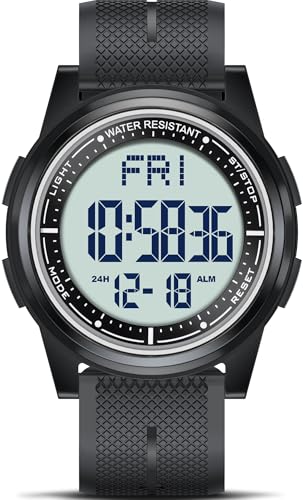
2.Beeasy AW02 50M Waterproof Digital Watch
50M water resistance lets you swim in shallow water and shower

3.Zentavi Digital Watch with Pedometer
Pedometer and calorie counter track activity during runs and hikes

4.findtime SD2197 Digital Watch with Pedometer
Step tracking logs distance, calories burned, and exercise minutes
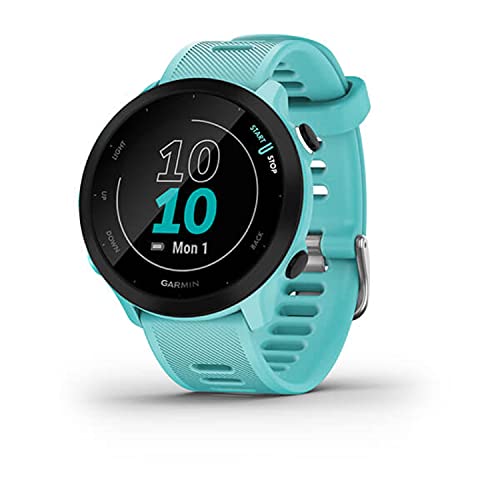
5.Garmin Forerunner 55 GPS Running Watch
GPS-based PacePro guidance helps plan your pace for a selected course
1. EZON T031B01 GPS Running Watch with GPS
EZON GPS Running Watch tracks distance, pace and workout time for half-marathon training. Its GPS receiver takes about a minute to get a cold start and reconnects quickly after a hot start, so it can record outdoor runs and hikes.
After a run, one button brings up distance, average pace, calories burned and total time. The watch stores your 10 most recent exercise records, giving you a way to check earlier workouts as training progresses.
For interval sessions, the stopwatch supports countdown and lap timing for up to 99 hours, 59 minutes and 59 seconds. It can save data for as many as 50 laps, including each lap’s duration, pace, distance and average speed.
You can enter your height, weight, age and gender, then choose imperial or metric units for fitness tracking. The built-in GPS also sets the time based on your chosen city, cutting down on manual time adjustments.
The matte-black watch weighs about 0.13 pounds and has 5ATM water resistance for swimming and everyday water exposure. Its alarm chimes for about 20 seconds, but the watch should not be worn for diving or sauna use, and its buttons should stay untouched underwater.
This watch suits runners who want GPS-based run data and lap records without a complex training setup. It also works for hikers and swimmers who want basic outdoor tracking, though its saved workout history tops out at 10 sessions.
- GPS tracks run distance and pace outdoors
- Saves up to 50 laps with pace and distance
- Shows calories, average pace and total time
- 5ATM water resistance supports swimming
- Stores only the 10 latest workout records
2. Beeasy AW02 50M Waterproof Digital Watch
For half-marathon training, the Beeasy digital watch offers a stopwatch and countdown timer for timing runs and workout intervals. Its 1/100-second stopwatch can track elapsed time, while the countdown runs for up to 23 hours, 59 minutes and 59 seconds.
The 44mm watch has a slim 7mm case and weighs about 0.08 pounds, so it adds little bulk on a run. Its black silicone band suits everyday wear as well as gym sessions, school and running.
A backlight helps you read the display in dim conditions. The watch also shows two time zones, switches between 12- and 24-hour formats, and includes an automatic calendar for daily use.
Set an alarm for a planned workout or use the hourly chime as a time cue. A daily alarm adds another reminder, while the stopwatch and countdown cover simple timing needs without requiring a phone.
Its 50-meter water resistance suits shallow-water swimming and cold showers, but the maker advises keeping it away from hot water and steam. It is not intended for extended underwater activities such as diving.
This watch suits runners who want basic timing functions and a lightweight digital display while training for a half marathon. It does not list GPS or running-specific tracking, so it is best for people who can time and record their runs separately.
- 1/100-second stopwatch tracks run times
- Countdown timer runs for nearly 24 hours
- Lightweight 0.08-pound watch for daily wear
- 50-meter water resistance suits shallow swimming
- Not suited to long underwater activities
3. Zentavi Digital Watch with Pedometer
5ATM water resistance lets the Zentavi watch handle swimming as well as running, while its pedometer and calorie counter track basic activity. Its stopwatch and countdown timer also give runners simple tools for timed intervals and training sessions.
The digital display shows health metrics and timing functions together, so you can check your step count or time without switching between screens. The data does not list GPS, heart-rate tracking or distance measurement, so this watch offers fewer running metrics than dedicated training watches.
A reinforced polymer case and shock-resistant construction suit hikes and runs where the watch may take knocks. Its adjustable, non-slip strap helps keep it in place during movement, and the ergonomically shaped case is designed for longer wear.
The orange watch weighs about 0.3 pounds. It also includes an alarm, adding a basic reminder function alongside its fitness and timing tools.
This watch suits runners who want step and calorie counts, a stopwatch and 5ATM water resistance in a straightforward digital design. Half-marathon trainees who need GPS route tracking or detailed pace data should look for those features elsewhere.
- Pedometer and calorie counter track basic activity
- 5ATM water resistance supports swimming and water sports
- Stopwatch and countdown timer help time training sessions
- Shock-resistant build suits demanding outdoor use
- No major cons
4. findtime SD2197 Digital Watch with Pedometer
Runners who want basic workout records and outdoor direction can use this watch to track steps, distance, calories and exercise minutes. It records those activity measures automatically, giving half-marathon trainees a simple way to check daily movement without a phone connection.
Its compass offers a direction reference during outdoor runs or hikes, without relying on GPS. The watch also includes a stopwatch and countdown timer, so you can time training sessions or set a countdown for planned intervals.
The large digital display shows the time, while the imported movement keeps time. You can choose 12- or 24-hour format, and the calendar and weekday display help keep everyday details close at hand.
For outdoor use, the watch is rated for swimming, hand washing, cold showers and rain. Its stainless steel back cover supports that water resistance, though the buttons should not be pressed underwater.
The alloy bezel and ABS case give it a rugged construction, and the nylon strap is breathable against the wrist. It weighs about 2 ounces, making it a light option to wear during daily activity and training.
An alarm and LED backlight round out the features, with the light helping you read the display in dim conditions. This green, non-Bluetooth watch suits runners who want simple activity tracking, timing and a compass without app-based training tools.
- Tracks steps, distance, calories and exercise minutes
- Compass helps with direction on outdoor routes
- Water-resistant for swimming, rain and showers
- Light 2-ounce build with breathable nylon strap
- No GPS for tracking a running route
5. Garmin Forerunner 55 GPS Running Watch
On training routes, the Garmin Forerunner 55 tracks how far, how fast and where you run using GPS. Its wrist-based heart-rate monitor adds a view of your effort, though it is not a medical device.
Suggested workouts vary in intensity based on your training history, fitness level and recovery time. That can give half-marathon runners a structured option for the day without requiring them to plan every session themselves.
For race preparation, PacePro provides GPS-based pace guidance for a selected course or distance. It does not work with courses stored on the watch, but race-time predictions and finish-time estimates can help you set expectations.
Battery life reaches up to 20 hours in GPS mode, enough for many training runs and race-day tracking. In smartwatch mode, it lasts up to two weeks between charges.
Beyond running, activity profiles cover cycling, track and virtual runs, pool swimming, Pilates, HIIT and breathwork. Wellness tools include intensity minutes, fitness age and all-day respiration, while the aqua watch weighs about 1.3 ounces.
You can add watch faces, data fields, apps and widgets through the Connect IQ Store, using the Garmin Connect and Connect IQ apps on a compatible smartphone. As our final pick, it suits runners who want guided training, pace support and broad activity tracking in a lightweight watch.
- Up to 20 hours of GPS tracking for race day
- Suggested workouts adapt to training and recovery
- PacePro gives GPS pace guidance for a course
- Two weeks of battery life in smartwatch mode
- PacePro does not support on-watch courses
How to Choose the Best Running Watches for Half Marathon Training
Choosing a running watch for half-marathon training means balancing pace guidance, reliable workout tracking, comfort and battery life. Your budget, training habits and need for phone-connected features shape which functions are worth paying for and which add little value.
| If You Need | Look For | Expect |
|---|---|---|
| Reliable pace and distance | Built-in GPS, pace display | More frequent charging |
| Heart-rate guidance | Wrist heart-rate tracking | Less accuracy than chest straps |
| Long race-day battery | GPS runtime above race duration | Larger battery or fewer extras |
| Structured training | Suggested workouts, pace guidance | More setup and screen menus |
| Basic timekeeping | Stopwatch, alarm, backlight | No mapped GPS workout records |
| Outdoor route support | Compass, readable display | Fewer training insights |
GPS Accuracy And Pace
Built-in GPS records distance and pace without carrying a phone, which helps you judge effort during long runs and race-specific workouts. Look for a clear pace screen and satellite connection details, especially if your routes pass under trees or between buildings.
GPS pace can jump around because signals update at intervals and buildings or foliage can block them. For steadier decisions, use average pace or lap pace rather than reacting to every second-by-second change.
A cold start after the watch has been unused may take about a minute, while a recent connection can return faster. Start the GPS before your warm-up, and confirm the signal is ready before running.
Battery During GPS Use
Race training often includes long runs, so battery life during GPS recording matters more than the longest smartwatch estimate. Compare the stated GPS runtime with your expected race time, then leave extra room for warm-ups and delayed starts.
A watch with around 10 hours or more of GPS tracking covers most half-marathon efforts with generous margin, though frequent notifications and bright screens use more power. Runners who track several sessions between charges benefit from longer runtimes.
Smartwatch battery claims usually describe lighter use without continuous GPS, so they should not be treated as race-day figures. If you use GPS for every run, plan charging around your training week rather than relying on the maximum headline number.
Training And Pace Guidance
Basic watches often record time, distance and pace, while training-focused models add planned sessions or pace guidance. Those tools help you follow a progression and control effort, especially if you are new to structured half-marathon preparation.
Race pace guidance may account for a course or distance, but it does not replace choosing a realistic target. Compare the available workout prompts with your plan, since generic suggestions might not match coaching advice or recovery needs.
Race predictions and suggested workouts are estimates based on recorded activity, not guarantees of finish time or readiness. They become more useful when you wear the watch consistently and keep your profile information current.
Heart Rate Tracking
Wrist heart-rate tracking gives you a way to watch effort during easy runs and harder sessions without wearing a chest strap. It is useful for broad trends, though movement, fit and skin contact affect readings.
For more dependable readings, wear the watch snugly above the wrist bone, without cutting off circulation. Optical sensors can lag during intervals or change readings with cold weather, so pace and perceived effort remain useful checks.
Training by heart-rate zones suits runners who already understand their zones and want effort guidance across varied terrain. If you mainly follow pace and time, heart-rate features may be secondary rather than a reason to spend more.
Comfort And Fit
You may wear a training watch for hours, so case weight, thickness and strap feel affect everyday comfort. A lightweight, low-profile case tends to sit more easily under sleeves and move less during arm swing.
Strap material and adjustment matter during sweaty runs, because a loose watch can slide and weaken heart-rate contact. Look for secure adjustment and a fit that stays comfortable without pinching during long sessions.
A larger display makes pace and lap data easier to read at a glance, but a wide case may feel bulky on a smaller wrist. Compare the case width and thickness with your wrist and preferred screen layout.
Display And Controls
Readable numbers and a backlight help you see pace in dim mornings, evening runs or quick glances while moving. Look for large digits, strong contrast and a screen that shows the data you use most.
Button controls are easier to operate with wet fingers or while moving than small touch targets, though menus may take more steps. A simpler interface suits runners who want to start a workout quickly and avoid mid-run fiddling.
Decide whether you need only time, distance and pace or several fields at once. More data on one screen can reduce button presses, but crowded displays take longer to read.
Workout Records And Timing
Saved workouts let you review earlier runs, compare progress and see whether training is becoming more consistent. Check how many sessions the watch stores and whether records include useful details such as distance, pace and lap splits.
Lap storage supports interval sessions and race pacing, while a stopwatch provides simple elapsed-time tracking. If you follow planned repeats, look for enough lap capacity and a clear way to mark each interval.
Some basic watches retain only a limited number of sessions, so older workouts may need to be written down. This suits runners tracking a few recent runs, but not those who want a long training history.
Water Resistance And Durability
Water resistance helps protect a watch from rain and sweat, but ratings use specific test conditions and do not mean every activity is safe. Read the maker’s guidance before swimming, showering or pressing buttons underwater.
A 5ATM rating is commonly intended for swimming-level exposure, while lower or less specific ratings may cover splashes and rain only. Choose according to your actual use, and avoid assuming that a stated depth equals safe diving depth.
Case and strap materials affect weight, impact protection and comfort, especially on trails or in rough weather. A reinforced case suits tougher use, while a lighter build feels less noticeable over daily training.
Extra Features And Compatibility
Pedometers, calorie estimates, alarms, timers and calendars add convenience, but they do not all support half-marathon training equally. Prioritize features you will use during runs; step and calorie figures are estimates, not precise measures of effort or energy use.
A compass can offer a basic direction reference outdoors, but it is not turn-by-turn navigation or a mapped route. If you need route guidance, look for explicit navigation features rather than assuming GPS recording provides them.
Some watches work independently and do not sync with a phone, while connected models may share workouts with apps. Confirm phone compatibility and data export options if you want coaching platforms or long-term records.
Price And Overall Value
At lower prices, expect simpler timekeeping, alarms, stopwatch functions and possibly basic step tracking. These options suit runners who already have a training plan and mainly need a durable way to time sessions.
Spending more often brings GPS workout records, heart-rate data and training guidance, which can reduce the need to carry a phone. It is worthwhile when those tools support your routine, not simply because the watch costs more.
Before paying extra, compare race-day GPS life, comfort and the data you will actually use. A feature-rich watch offers little value if its menus frustrate you or its battery cannot cover your longest planned outing.
Warranty And Support
Warranty length and coverage affect the cost of ownership if the screen, buttons or battery fail. Read the terms for water damage, battery wear and accidental damage, since these exclusions vary by seller and manufacturer.
Also consider access to repairs, replacement straps and customer support in your region. A clear return window gives you time to confirm fit, button use and display readability before relying on the watch for training.
Frequently Asked Questions
Do these running watches need to be charged, or do they use replaceable batteries?
Power sources can vary by model, so check the product details for the watch you choose. GPS features, such as those on the EZON T031B01 and Garmin Forerunner 55, may affect how you plan for power during training.
Which watch is suitable for swimming or showering?
The Beeasy AW02 is rated water resistant to 50 meters, and its listing says it can be used for shallow swimming and showering. Check the product guidance before exposing any watch to water.
What comes in the box with each watch?
Box contents can differ by product and seller, so check the listing for the specific model. The product descriptions provided here do not specify included accessories.
Should I choose the EZON T031B01 or the Garmin Forerunner 55?
Choose the EZON T031B01 if you want GPS tracking for distance and pace and to review run results. The Garmin Forerunner 55 adds GPS-based PacePro guidance for planning pace on a selected course.
Which watch is best for tracking everyday activity as well as runs?
The Zentavi Digital Watch tracks steps and calories, while the findtime SD2197 logs steps, distance, calories burned, and exercise minutes. Compare those tracking needs with the GPS features offered by the EZON and Garmin models.
How can I use these watches to keep track of half marathon training?
Use GPS models such as the EZON T031B01 to record run distance and pace, or the Garmin Forerunner 55 to plan pace for a selected course. The Zentavi and findtime models offer activity metrics that can help you log steps and exercise.
So, What Should You Buy?
For most runners training for a half marathon, the Garmin Forerunner 55 is the strongest pick, with GPS-based PacePro guidance to plan your pace for a selected course. Choose the EZON T031B01 if you mainly want GPS tracking to review distance and pace after each run.
Need water resistance for swimming or showers? The Beeasy AW02 fits. For activity tracking on runs and hikes, consider the Zentavi; the findtime SD2197 logs steps, distance, calories, and exercise minutes. Pick the watch that matches your training priorities and run with confidence.