

Black dials feel bold and legible; white dials look clean, refined, and versatile.
If you want a clear verdict on black dial vs white dial watches, you’re in the right place. I’ve tested dozens across dress, field, dive, and chronograph lines, and I’ve coached many buyers to pick with confidence.
Below, I’ll share what matters most in daily wear, from legibility and style to lume, value, and care, all backed by real use and expert insights. Expect clear takeaways, simple language, and practical tips you can trust.

Legibility and Eye Comfort
Readability is the core of any dial choice. Black dials usually deliver strong contrast with white markers and hands. This high contrast helps in quick glances. On a white dial, black hands can also pop, but glare may reduce clarity in bright light.
In dim light without lume, black dials still read well if the indices are large. On white dials, thin black hands can fade when reflections hit the crystal. Matte finishes on either color improve clarity by cutting glare.
From years of testing, my daily-note is simple. If you check the time fast and often, a matte black dial with white markers is hard to beat. Yet a crisp white dial with bold black hands can match it if the anti-reflective coating is strong.
You will see this trade-off again and again in black dial vs white dial watches. It is contrast and surface control that win the day.
Style, Versatility, and First Impressions
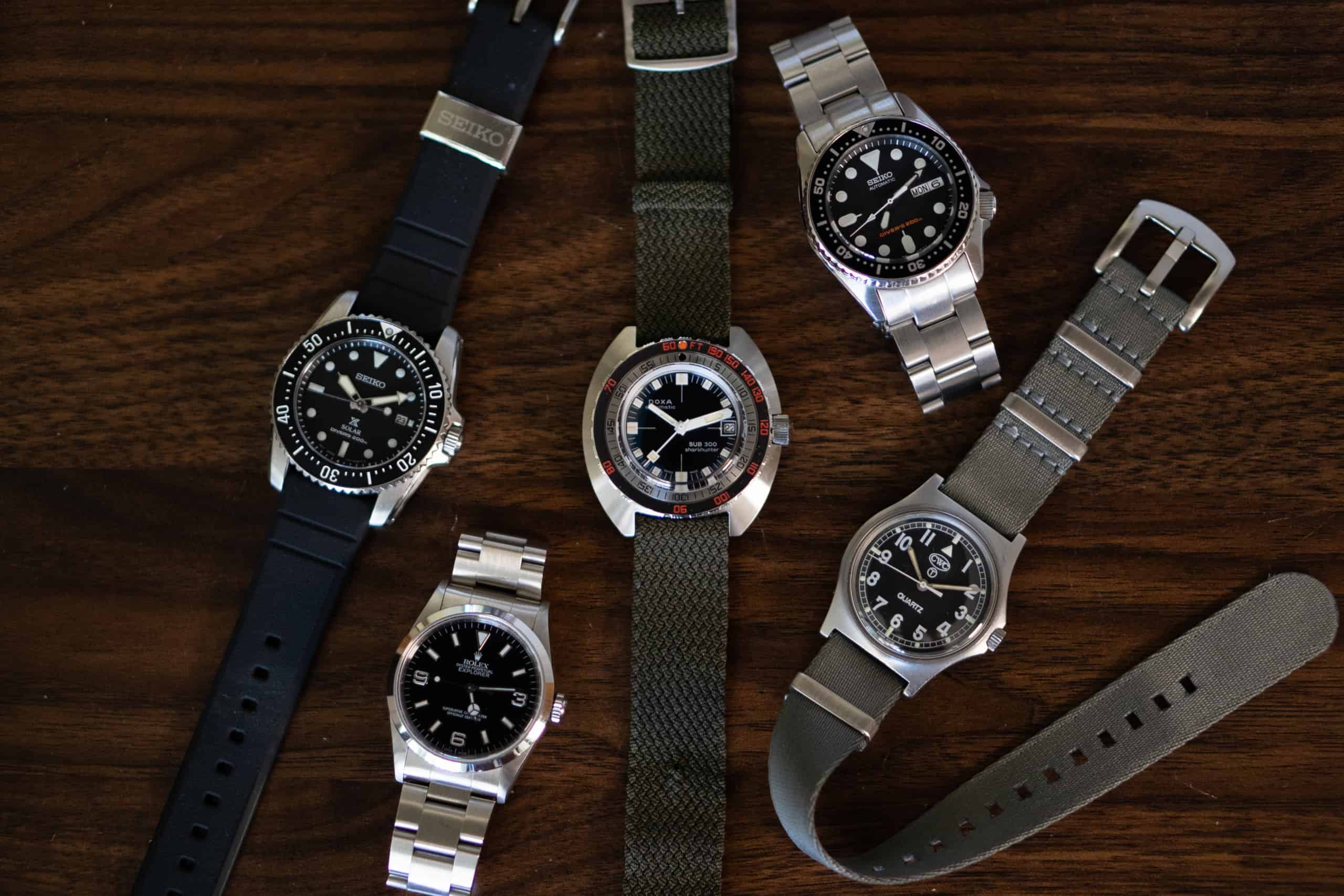
Black reads formal, strong, and modern. White looks classic, calm, and dressy. In the office, a black dial under a navy suit feels sleek. A white dial under a crisp shirt looks neat and open. Both work, but they project different moods.
For dress events, white dials echo old-world elegance. Think enamel or lacquer, Roman numerals, and heat-blued hands. For weekend wear, black dials pair with denim, leather, and tech gear. Many sports watches are black for a reason. They look purposeful.
In my collection, three watches rotate most. A black pilot for travel, a white dial for client meetings, and a panda chronograph for mixed days. The mix covers nearly all social cues. That is the heart of black dial vs white dial watches. It is how people read you at a glance.
Lighting, Lume, and Daily Use
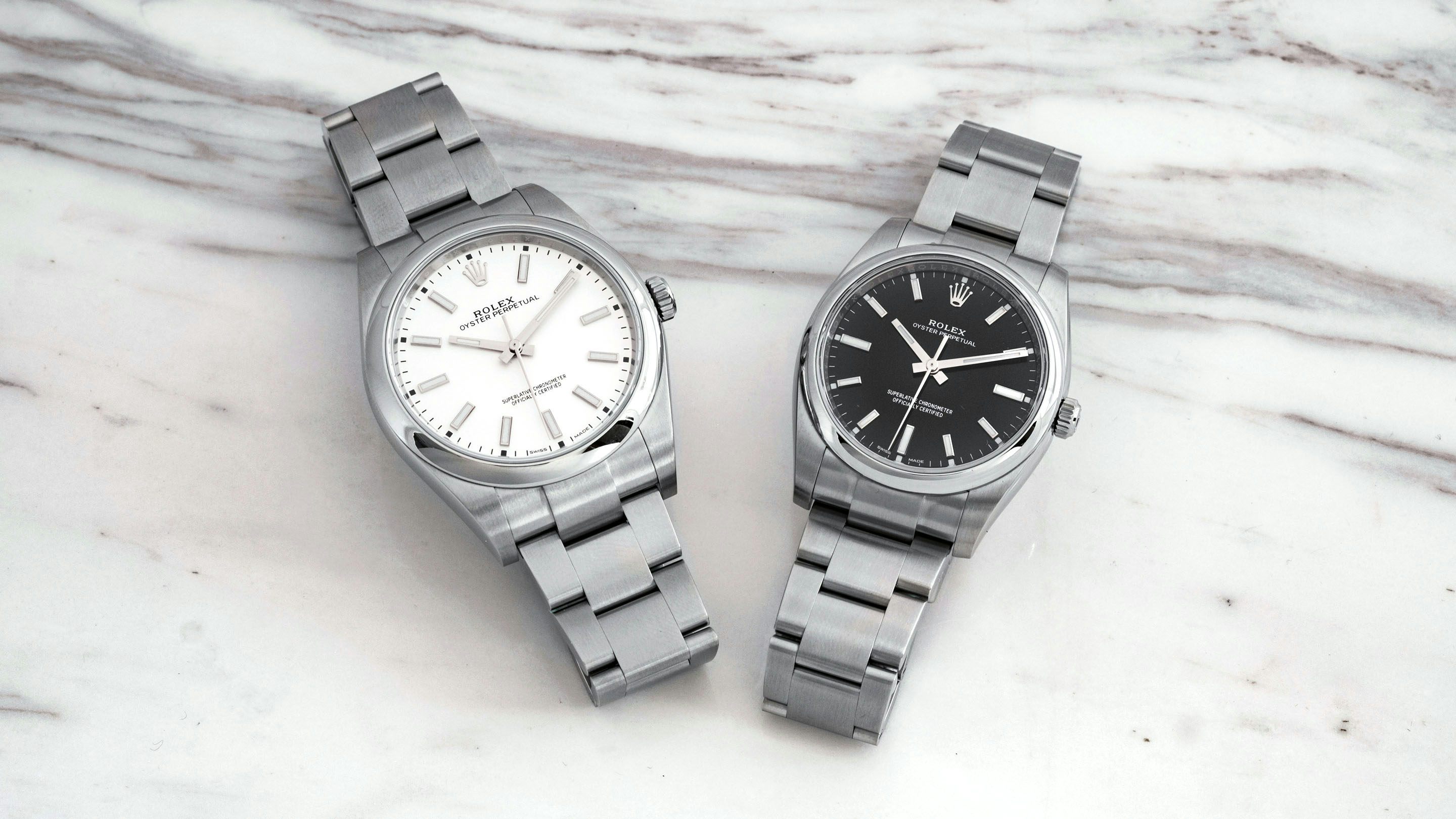
Light changes everything. Under harsh sun, black dials can absorb light and stay legible. White dials can reflect hard and wash out details. Under soft indoor light, white dials often look warmer and more refined.
Lume favors contrast. If you care about low-light use, a black dial with bright lume plots and hands gives the best read. On white dials, lume contrast drops unless hands and markers are outlined dark. Anti-reflective coatings help both.
My travel tip from many red-eyes: for late flights and dim lounges, black with strong lume wins. For long days in a bright office, a white dial’s calm clarity is a joy. Your routine should guide your pick in black dial vs white dial watches.

Materials, Finishes, and How Dials Read
Finish shifts how color behaves. Gloss black can look deep but may mirror light. Matte black is tool-like and easier to read. Sunburst black adds life with streaks of light. White can be enamel-smooth, silvered, grained, or opaline. Each finish changes legibility and vibe.
Marker style matters too. Big Arabic numerals or fat indices help black dials pop. Slim baton hands and thin markers suit clean white dials. Heat-blued hands on white are stunning and readable. Polished hands can vanish on glossy dials, no matter the color.
When I advise buyers, I ask them to look at the dial from three angles. Straight on, 30 degrees, and 60 degrees. If it stays readable and calm, it passes. Apply the same test to black dial vs white dial watches before you choose.
Case Size, Skin Tone, and Outfit Pairing
Dial color changes how big a watch feels. Black dials often wear smaller because dark tones recede. White dials wear larger since light tones expand. If a 40 mm black feels right, the same case with a white dial may look bigger on the wrist.
Skin tone matters. On warm or tan skin, white dials can sing. On cooler tones, black can look sharp and clean. Try both under natural light and indoor LEDs. Swap straps too. Brown leather can warm a white dial. Black leather can sharpen a black dial. Steel bracelets suit both.
I once loved a white dial in-store, then felt it was too loud outdoors. A darker strap solved it. Little tweaks solve many pain points in black dial vs white dial watches.
Photography, Social Media, and Perception Bias
Photos lie. Black dials hide detail in shadows online. White dials can look blown out in bright edits. Social media favors high-contrast shots, which can skew how a watch reads in real life.
Trust wrist shots in mixed light. Video helps more than stills. Better yet, try the watch in person. If buying online, ask for unedited photos near a window and under indoor LEDs. This simple step has saved me from more than one bad pick in black dial vs white dial watches.

Value, Resale, and Market Trends
Trends swing. Tool and diver styles with black dials hold steady demand. White dial dress watches enjoy cycles of hype. Limited runs of white “panda” chronographs also stay hot.
Resale is stronger when the watch is a classic. A black diver with strong specs is an evergreen. A clean white dial three-hand watch from a respected brand is also safe. Check past sales and note dial variants. This helps you judge value in black dial vs white dial watches without guesswork.

Aging, Patina, and Care
Black dials can fade to brown tones over decades, which some collectors love. White dials can cream, especially lacquer or tritium-era models. Sunburst finishes show hairlines more on black. Dust and lint are more visible on gloss black under macro light.
Care is simple. Wipe with a soft cloth. Avoid harsh sun for long periods. Service water seals on divers. If you rotate straps, clean the back of the lugs. Smart care keeps both black and white dials sharp for years. That is long-term value in black dial vs white dial watches.
A Simple Decision Framework
Use this checklist to choose with clarity:
- Your main setting Work in bright offices or formal settings often? Favor a white dial. Work outdoors or travel a lot? Favor a matte black dial.
- Your quick-glance needs Need instant reads? Strong contrast wins. Black with bold white markers or white with thick dark hands.
- Your style code Prefer tool and sport? Black dials fit. Prefer classic and dress? White dials shine.
- Your wrist look Want the watch to wear smaller? Choose black. Want it to feel larger and brighter? Choose white.
- Your maintenance plan Hate visible dust or hairlines? Matte textures or light opaline help. Love depth and gloss? Accept more careful cleaning.
This simple set of checks has guided many of my clients choosing between black dial vs white dial watches. It cuts noise and drives a pick you will enjoy.
Myths and Nuance You Should Know
- Myth Black is always more legible. Truth Finish, hands, and AR matter more than color alone.
- Myth White is only for dress. Truth Field and pilot white dials can be superb daily wearers.
- Myth Black holds value better. Truth Iconic models hold value, not only the dial color.
- Myth White dials glare too much. Truth Good AR and matte textures solve most glare.
Smart buyers look past color to the whole system. That is how you master black dial vs white dial watches and buy once, cry never.
Frequently Asked Questions of black dial vs white dial watches
Which is more versatile for daily wear?
Both work well. Black suits casual and sport, while white shines for office and dress. Your routine and strap choices decide the winner.
Are black dials more legible than white dials?
Often yes, thanks to strong contrast and less glare. But a white dial with bold black hands and good AR can match or beat many black dials.
Do white dials look larger on the wrist?
Yes, lighter tones appear bigger to the eye. If sizing worries you, try the same model in black and white to compare.
Which holds resale value better?
Classics from known brands do best in any color. Check past sales for the exact model and dial variant before you buy.
What about lume performance?
Black dials with bright lume plots and outlines usually read best at night. On white dials, dark outlines on hands and markers boost contrast.
How do I choose straps for each color?
Black dials love steel, black leather, or gray nylon. White dials pair well with steel, tan leather, and blue or olive textile.
Are white dials harder to keep clean?
Not really. Gloss black shows dust and smudges more in photos. A quick wipe keeps either dial sharp.
Conclusion
Black dials feel bold and focused. White dials look clean and classic. The right choice comes from your light, your routine, your style, and how the watch reads at a glance.
Test for contrast, finish, AR, and size feel. That is how you win the black dial vs white dial watches debate for your wrist.
Try the checklist above on your top two picks. Then choose with confidence, wear it hard, and enjoy the time. If you found this guide useful, subscribe for more hands-on watch advice or leave a comment with your short list.