

Sprint sessions are easier to pace when you can see your time, distance, and recovery at a glance. A phone stopwatch can track splits, but it may be awkward to check mid-run and often gives you less training data in one place.
A running watch puts those details on your wrist, so you can focus on each effort instead of reaching for your phone. GPS tracks outdoor distance and pace, while lap buttons help you record intervals and compare repeat sprints.
Many watches also offer heart-rate tracking, workout timers, and recovery summaries, helping you structure sessions and spot changes over time. Clear displays and customizable data screens make key stats easier to check between efforts.
Models differ in GPS accuracy, comfort, battery life, and training features, so consider your session style and budget. Explore the best running watches for sprinters below to find one that suits your training.
7 Best Running Watches for Sprinters Reviews

1.EZON T031B01 GPS Running Watch with Lap Timer
GPS tracks running distance and pace to help you focus each workout

2.Timex Ironman Endure 30 Shock 100-Hour Watch
100-hour chronograph with 30-lap memory tracks long training sessions

3.Timex Ironman Transit Activity Tracking Watch
7-day activity tracking measures calories, steps and distance

4.FANMIS Digital Sports Watch with Pedometer
Pedometer tracks your steps during workouts and outdoor activities

5.CakCity ALPS Digital Sports Watch
Pedometer and metronome support running, while the compass aids
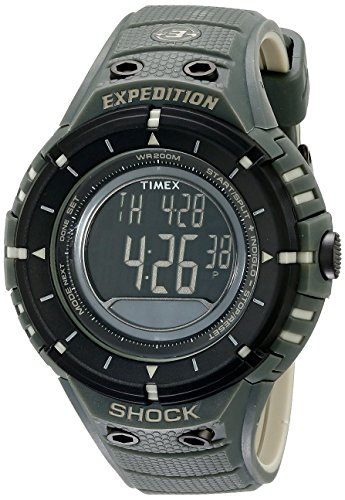
6.Timex T49612 Expedition Trail Digital Watch
Digital compass helps you navigate outdoor routes and trail adventures

7.Armitron Sport 45/7004GBK Digital Watch
Chronograph and lap time functions help you track your running
1. EZON T031B01 GPS Running Watch with Lap Timer
EZON’s GPS running watch tracks outdoor runs and records pace, distance, calories and time. Its GPS starts cold in about a minute, while a hot start reconnects immediately, giving sprinters location data for outdoor sessions.
After a run, one button brings up the workout summary, including average pace and total time. The watch stores the last 10 exercise records, so you can revisit recent training without relying on a phone.
For interval sessions, the stopwatch supports lap timing and countdowns, with a maximum time of 99 hours, 59 minutes and 59 seconds. It saves up to 50 laps, recording each lap’s duration, pace, distance and average speed.
You can enter your height, weight, age and gender and choose imperial or metric units for fitness tracking. The GPS receiver also sets the time based on your chosen city, reducing the need to adjust it by hand.
The matte black digital watch has 5ATM water resistance for swimming and everyday water exposure, but its instructions say not to press buttons underwater or wear it for diving or sauna use. Its alarm chimes for about 20 seconds and stops when you press a button.
This watch suits sprinters who want basic GPS run tracking, lap records and workout summaries on their wrist. Its saved data and lap limit may matter to athletes who compare many sessions or need more detailed training tools.
- Saves up to 50 laps with pace and distance
- GPS hot start reconnects without waiting
- Stores the last 10 exercise records
- 5ATM water resistance supports swimming
- Cold GPS start takes about one minute
2. Timex Ironman Endure 30 Shock 100-Hour Watch
For sprint training and race-day timing, the Timex Ironman Endure 30 gives runners a 100-hour chronograph with memory for 30 laps. That lets you record repeated intervals and keep lap times available for review.
Its 24-hour countdown timer can help structure training blocks, while three alarms cover daily, weekday or weekend reminders. Two time zones and a calendar showing the day, date and month also help organize plans around training and travel.
The watch resists shocks to I.S.O. standards, a useful feature for workouts that involve repeated movement. Its water resistance reaches 200 meters, making it suitable for serious surface water sports and professional marine activity, though not scuba diving.
The black nylon FAST WRAP strap uses a hook-and-loop closure and adjusts to fit wrists up to 8 inches. A black and silver-tone case completes the design, and the INDIGLO backlight adds a named feature for checking the watch in dim conditions.
At about 0.1 pounds, it is light enough to wear during training. This watch suits sprinters who want lap timing, countdowns and alarms in one water-resistant watch, rather than runners seeking features the supplied details do not specify.
- 100-hour chronograph stores 30 lap times
- 24-hour countdown timer helps structure workouts
- Water-resistant to 200 meters for surface sports
- I.S.O.-standard shock resistance for training
- Not suitable for scuba diving
3. Timex Ironman Transit Activity Tracking Watch
A 100-hour chronograph gives the Timex Ironman Transit room for long timing sessions, while its 10-lap memory helps sprinters keep track of repeated efforts. Its easy-touch heart rate monitor and seven-day activity tracker also record calories, steps and distance.
The countdown timer runs for up to 24 hours, so you can set a target for an interval or another timed workout. A customizable alarm can mark a training reminder, and the two-time-zone display helps when you travel for races.
Its gray digital display shows the day, date and month, with a 24-hour military time option. The Indiglo dial light makes the screen easier to read in dim conditions, while the acrylic lens covers the display.
The white and rose gold-tone resin case measures 33 millimeters across. Its adjustable white resin strap fits wrists up to 7.5 inches around, and the watch weighs about 0.1 pounds.
Water resistance reaches 100 meters, which Timex describes as suitable for swimming and snorkeling, but not diving. That makes it an option for runners who also want activity tracking and lap timing in a watch they can wear for water activities.
This watch suits sprinters who want a basic way to time workouts, record up to 10 laps and monitor daily activity. Its heart rate monitor adds another training measure, though the listed features do not include GPS tracking or running pace.
- 100-hour chronograph stores up to 10 laps
- Tracks heart rate, steps, calories and distance
- 100-meter water resistance suits swimming and snorkeling
- Indiglo dial light helps in dim conditions
- 10-lap memory may limit longer workouts
4. FANMIS Digital Sports Watch with Pedometer
Runners who want a simple way to track steps and time workouts get a digital display, pedometer and stopwatch in this FANMIS watch. Its quartz movement keeps time, while the stopwatch can help you track sprint intervals.
The pedometer and step counter give you a way to monitor steps during daily activity or training. An alarm and auto date add basic timekeeping functions, and the LED backlight helps you read the display in low light.
For outdoor use, the watch has 50-meter water resistance and a shock-resistant design. The maker says it suits swimming and daily water exposure, but advises against underwater activities and pressing buttons in water.
A reinforced silicone strap bends around the wrist and is described as breathable. The watch also uses a plastic case and mineral glass, with a stainless steel bezel; its digital face prioritizes quick time checks.
It weighs about 2.4 ounces and comes in black. The feature set focuses on basic timing and step tracking rather than specialized sprint data, so it suits runners who want a straightforward sports watch for everyday workouts.
- Stopwatch helps time sprint intervals
- Pedometer tracks steps during daily activity
- 50-meter water resistance suits swimming
- Backlight helps with low-light time checks
- Not suitable for underwater activities
5. CakCity ALPS Digital Sports Watch
Outdoor runs and trails suit the CakCity digital watch, which combines a step counter with a stopwatch for timing and tracking activity. Its compass also gives you a directional reference during outdoor workouts and hikes.
For sprint sessions, the stopwatch helps time each effort, while the step counter records steps. The watch also has a metronome, countdown timer and dual-time display, adding tools for workouts and everyday use.
The compass comes calibrated from production, but CakCity recommends calibrating it again before use. Its EL backlight lets you check the display in low light, and the 50-meter water-resistance rating supports swimming and other sports.
A carbon-fiber composite case weighs about 49 grams, and the 24-millimeter nylon strap weighs about 5 grams. The breathable knitted band adjusts with a hook-and-loop closure, so you can fit it to your wrist.
The watch comes in black and is designed for women and men. Rinse the outer shell after swimming or exercise, and avoid pressing buttons underwater or wearing it in a hot-water bath.
This is a practical option for runners who want basic timing and step tracking alongside outdoor features. Sprinters who need dedicated running metrics beyond a step count may want a watch with more detailed training data.
- Stopwatch and step counter support run tracking
- Compass adds direction for outdoor workouts
- 50-meter water resistance suits swimming and sports
- Lightweight case and strap suit active wear
- Step count offers limited running metrics
6. Timex T49612 Expedition Trail Digital Watch
The digital compass gives the Timex Expedition Trail Series a useful navigation feature for runners exploring unfamiliar routes. Its digital display also makes it a practical option for timing everyday training, though the product details do not list dedicated sprint metrics.
Water resistance to 200 meters, or 660 feet, suits surface water sports and professional marine activity. That rating can also help protect the watch during wet outdoor workouts, but Timex says it is not intended for scuba diving.
The watch uses a durable resin case and strap, secured with a buckle closure. Its shock resistance meets I.S.O. standards, which suits outdoor use where a watch may take knocks during training.
An Indiglo light-up dial helps you read the display when light is low, such as during early runs or evening workouts. The olive-and-black color scheme gives it an outdoors-focused look without adding extra controls to manage.
At about 0.4 pounds, it weighs more than many runners may want on their wrist for speed sessions. The listed features also focus on outdoor durability and navigation rather than specific running measurements.
This Timex suits runners who want a rugged digital watch with a compass and strong water resistance, especially for outdoor routes and general training. Sprinters seeking detailed pace or distance tracking may want a watch with those stated features.
- Water resistant to 200 meters for wet activities
- I.S.O.-standard shock resistance suits outdoor training
- Digital compass helps with route navigation
- Indiglo dial improves reading in low light
- No major cons
7. Armitron Sport 45/7004GBK Digital Watch
Armitron makes a quartz digital watch with a chronograph for tracking timed efforts during sprint training. Its functions include lap time, so sprinters can record individual intervals as well as use the chronograph to time a session.
The LCD displays the time, seconds, day and date, keeping everyday details together on the watch face. A backlight helps you read the display in low light, while the alarm can provide a reminder for a workout or other daily task.
Dual time lets the watch show another time zone, and military time gives runners a 24-hour format option. These settings add flexibility beyond timing runs, especially for people who travel or prefer military-style time.
The black resin case has a gunmetal top ring, and a black nylon strap closes with hook-and-loop fastening. At about 40 millimeters across and about a quarter pound, the watch has a practical, straightforward build for everyday wear.
Water resistance reaches 100 meters, or 330 feet. Armitron describes this level as suitable for swimming and snorkeling, but not diving, so it can handle those water activities as well as regular training.
This watch suits sprinters who want a simple digital chronograph with lap timing, rather than a feature-packed running tracker. Its time, alarm and date functions also make it useful off the track, while the backlight supports reading the display in dim conditions.
- Lap timing helps track sprint intervals
- 100-meter water resistance suits swimming
- Backlight helps read the display in low light
- Dual time and military time offer format choices
- Not suitable for diving
How to Choose the Best Running Watches for Sprinters
A sprint watch needs to show timing clearly, record repeat efforts and stay comfortable through fast movement. Your choice depends on whether you need GPS pace, lap memory, heart-rate data, simple timing, water protection or a lower-cost way to track sessions.
| If You Need | Look For | Expect |
|---|---|---|
| GPS distance and pace | Built-in GPS, pace alerts | Longer GPS battery drain |
| Repeat sprint splits | Lap button, lap memory | More button practice |
| Heart-rate guidance | Wrist sensor, clear readings | Less reliable rapid changes |
| Simple interval timing | Stopwatch, countdown timer | No automatic route tracking |
| Daily activity totals | Steps, distance, activity history | Estimates, not exact measurements |
| Tough outdoor use | Shock resistance, water rating | Bulkier case or fewer features |
| Lower upfront cost | Essential timing functions | Fewer training metrics |
GPS And Pace
Built-in GPS records distance and pace without carrying a phone, which helps when you run measured repeats outdoors. Look for pace alerts and clear GPS status, since poor satellite reception can delay a session or distort short sprint distances.
Sprint intervals are short, so GPS pace often updates too slowly to guide a single burst. Use it for route distance and longer efforts, but time short repeats with the watch’s stopwatch or lap function.
A watch that saves workouts lets you review total time, average pace and distance later, which helps track progress across sessions. Consider how many records it stores; a small history means you will need to transfer or note results regularly.
GPS readiness affects convenience before training, especially when you have little time to warm up. A quick satellite connection helps you start promptly, while cold starts may take around a minute or longer in difficult surroundings.
Lap Timing And Interval Control
Lap memory is central for sprint training because it preserves individual repeat times instead of only showing the full session. Look for a dedicated lap control and enough stored splits for your workout, such as 10 to 30 laps.
A clearly placed button helps you record each finish without slowing down or losing focus. If the control is small or awkward, practice using it before hard sessions, and consider whether gloves or sweaty hands make pressing it harder.
A countdown timer helps structure recovery periods between sprints, while a stopwatch measures each effort. For varied sessions, look for both functions and controls that are easy to operate while standing or moving.
Some watches keep only a limited number of lap results, so match storage to your usual workout. A short session with six repeats needs less memory than a track workout with several sets and recovery intervals.
Heart-Rate Tracking
Heart-rate data can help you follow recovery and overall training effort, but wrist sensors often lag during abrupt, all-out sprints. Treat readings as broad guidance rather than exact measurements for each short repetition.
An easy-touch or continuous wrist sensor avoids carrying another device, which suits casual monitoring. If precise effort data is important, look for compatibility with a chest strap; confirm support before buying, since not every watch pairs with one.
Heart rate is more useful during warm-ups, longer intervals and recovery than during a brief sprint. Choose it for a wider training picture, not as a replacement for split timing or a coach’s pacing plan.
Display And Controls
Large, high-contrast digits make elapsed time easier to read at a glance, which matters when you are moving quickly. Check that the main screen shows the timing information you use most without requiring several button presses.
Backlighting helps during early runs, evening workouts and dim indoor sessions, while a simple display reduces distractions. Look for a light activated by an easy-to-find control, and confirm that it illuminates the full screen.
Button layout affects whether you can mark laps without stopping. A straightforward arrangement suits focused sprint sessions, while extra menus and functions may take more practice; try the controls in person when possible.
Comfort And Fit
A lighter, compact case usually feels less intrusive during arm drive, which can help you forget the watch while sprinting. Compare case size and weight, then consider whether the strap stays secure without pinching or bouncing.
Nylon and hook-and-loop straps allow quick adjustment, while resin and silicone are easy to rinse after sweaty workouts. Choose a closure that holds firmly through fast arm movement, and check the listed wrist range for fit.
A watch that feels comfortable during a short try-on may still rub during repeated sessions. Leave enough room for natural wrist movement, but avoid a loose fit that lets the case shift while you run.
Durability And Water Resistance
Sweat and rain are routine, so choose a water-resistance rating suited to your training conditions. Ratings of 50 meters or 5 ATM generally cover everyday swimming and splashes, but they do not guarantee suitability for every water activity.
Shock resistance adds reassurance for outdoor use and accidental knocks, while a sturdy case protects the display. Look for a stated standard rather than assuming a rugged appearance proves the watch is built to handle impacts.
Water ratings describe tested conditions, not permission to press buttons underwater or expose the watch to hot showers. Follow the maker’s care guidance, especially after saltwater, pool chemicals or heavy sweat.
Activity Tracking And Extra Functions
Step counts, calories and distance give a broad view of daily movement, but these estimates do not replace accurate sprint splits. Choose activity tracking when you want an everyday record alongside training, and check whether history lasts several days.
A compass helps with outdoor direction, while dual time suits travel or training across time zones. These extras are useful only if you will use them, since additional menus can make basic timing less direct.
Alarms and calendars support daily routines, and a metronome may help with cadence drills. Prioritize functions tied to your training plan; avoid paying for extras that add little beyond the stopwatch and lap timer.
Price And Value
Lower-priced watches often focus on a stopwatch, alarms and basic activity counts, which suits beginners who mainly need simple timing. Mid-range options commonly add GPS, lap storage or heart-rate data, but feature differences vary by model.
Paying more is worthwhile when a specific feature solves a regular need, such as GPS for outdoor distance or longer workout storage. Compare the functions you will use weekly, rather than choosing by price or feature count alone.
Battery And Power
A simple digital watch usually avoids the frequent charging routine associated with GPS tracking, which suits short sessions and everyday timekeeping. GPS and heart-rate use draw more power, so review stated battery life for your expected training pattern.
Frequent charging becomes inconvenient if you train several times a week or travel often. Ask whether the watch uses a replaceable battery or rechargeable power, and account for charging time and replacement availability.
Compatibility And Records
Phone connection and data export help you keep workout history beyond the watch’s built-in memory. If you rely on an app, confirm that it supports your phone and operating system before purchase, and learn whether GPS data transfers automatically.
Some basic watches store only a limited number of workouts or laps, which may suit occasional training. For detailed planning, choose a record system that lets you review past sessions without manually copying every split.
Warranty And Support
A clear warranty gives you a route to repair or replacement if a fault appears, which is useful for a watch exposed to sweat and regular movement. Read the coverage period and exclusions before buying.
Confirm how claims are handled and whether proof of purchase is required, since support differs by seller and region. Keep the receipt and follow care instructions, because damage from misuse may fall outside warranty coverage.
Frequently Asked Questions
Which running watch should I choose for tracking distance and pace?
The EZON T031B01 uses GPS to track running distance and pace. For lap timing, the Armitron Sport 45/7004GBK and Timex Ironman Endure 30 offer chronograph and lap-time functions.
Which watch is better for long training sessions: the Timex Ironman Endure 30 or the Armitron Sport 45/7004GBK?
The Timex Ironman Endure 30 has a 100-hour chronograph and 30-lap memory, while the Armitron offers chronograph and lap-time functions. Choose based on whether the Endure 30’s stated lap memory and chronograph capacity suit your training needs.
Which watches track steps and daily activity?
The Timex Ironman Transit tracks calories, steps, and distance over seven days. The FANMIS Digital Sports Watch and CakCity ALPS Digital Sports Watch also include pedometers for step tracking.
Which watch is better for trail routes: the CakCity ALPS or the Timex T49612 Expedition Trail?
Both include a digital compass to help with navigation. The CakCity also has a pedometer and metronome, while the Timex T49612 is described as a watch for outdoor routes and trail adventures.
What can the CakCity ALPS Digital Sports Watch help with during a run?
Its pedometer tracks steps, and its metronome supports running. It also includes a compass for navigation.
How can I track laps during a sprint workout?
The Timex Ironman Endure 30 has 30-lap memory, and the Armitron Sport 45/7004GBK has lap-time functions. Check the details for each watch to see which timing setup fits your workouts.
So, What Should You Buy?
For most sprinters, the EZON T031B01 is the best pick: GPS tracks distance and pace to help you focus each workout. Choose the FANMIS for a straightforward step-counting option, or the Timex Ironman Endure 30 for a 100-hour chronograph and 30-lap memory for longer training sessions.
If activity totals matter, pick the Timex Ironman Transit; for a metronome and compass, consider the CakCity ALPS. The Timex T49612 suits trail navigation, while the Armitron offers chronograph and lap-time functions. Choose the model that fits your training needs.